
Table of Contents
Black Pepper at the Center of the Table
Black pepper rarely announces itself, yet nearly every kitchen depends on it. It is the quiet constant, the spice reached for without thought, trusted to lift a dish without changing its identity. Its story is anything but ordinary. Black pepper shaped trade routes, fortunes, and cuisines long before it became a fixture beside the salt shaker. What makes it endure is not history alone, but the way its flavor bridges cultures, climates, and cooking styles with steady reliability.
Where Black Pepper Comes From
Black pepper originates from the tropical regions of South India, specifically the Malabar Coast of Kerala. This area remains one of the most respected growing regions in the world. From there, cultivation spread throughout Southeast Asia, East Africa, and parts of South America.
Today, major black pepper producing countries include India, Vietnam, Indonesia, Brazil, and Sri Lanka. Vietnam is currently the largest exporter, benefiting from warm temperatures, consistent rainfall, and fertile soils that support high yields. India continues to be prized for quality and complexity, especially pepper grown in traditional forest shaded systems.
The United States is not a large scale producer, as black pepper requires a tropical climate. However, small experimental plantings exist in Hawaii and parts of southern Florida. These regions offer warm temperatures and adequate rainfall, though production remains limited and largely local.
Climate Soil and Growing Conditions
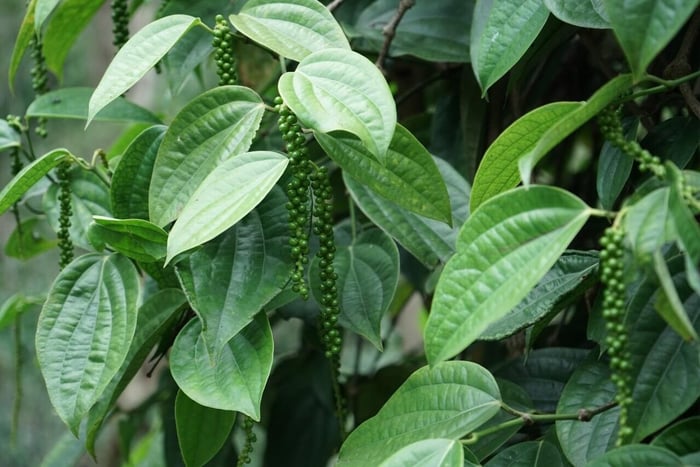
Black pepper grows on a flowering vine known as Piper nigrum. It thrives in hot, humid climates with steady rainfall and partial shade. Ideal temperatures range from warm days to mild nights, without extreme swings.
The soil must be rich in organic matter and well drained. Heavy soils that retain too much water can damage roots, while dry conditions stress the vine and reduce fruit quality. Annual rainfall of significant volume supports healthy growth, especially when distributed throughout the year rather than concentrated in a single season.
Pepper vines are often grown alongside support trees or poles, allowing them to climb naturally. This system protects the plants from direct sun while encouraging steady development of the peppercorn clusters.
The People Behind the Vines
Black pepper cultivation is often a long term commitment. Vines take several years to mature and can produce fruit for decades when cared for properly. In many growing regions, pepper farms are small holdings passed down through generations.
Farmers tend the vines by hand, pruning carefully and monitoring soil health and moisture. Harvest time brings entire families together, as clusters of peppercorns are picked at precise stages of ripeness. This attention to timing directly affects flavor, heat, and aroma.
In regions like Kerala and Sri Lanka, pepper farming is deeply woven into daily life. Knowledge is shared quietly, through observation rather than instruction, shaping a crop that reflects both land and labor.
Harvesting and Drying Black Pepper
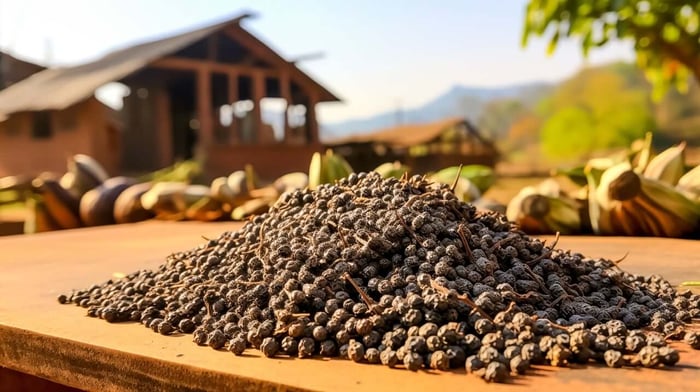
Black pepper begins as green peppercorns harvested just before full ripeness. At this stage, the berries are firm and packed with volatile oils. Once picked, they undergo drying, traditionally in the sun or in controlled drying facilities.
During drying, the outer skin darkens and wrinkles, transforming green berries into the familiar black peppercorn. This process reduces moisture, prevents spoilage, and concentrates flavor. Enzymatic reactions during drying deepen aroma and sharpen heat.
Proper drying is essential. Too much moisture leads to mold, while excessive heat can flatten flavor. The balance achieved through careful drying gives black pepper its signature pungency and long shelf life.
Flavor and Culinary Role
Black pepper offers heat without aggression. Its spiciness builds gradually, supported by earthy, woody, and citrus notes. Unlike many spices, it enhances perception of other flavors rather than masking them.
This quality explains its universal role. Black pepper sharpens savory dishes, brightens rich foods, and adds dimension to simple preparations. It works equally well at the start of cooking or as a finishing touch.
Common Uses in Everyday Cooking
In soups and stews, black pepper provides backbone. Added early, it infuses broth with warmth that deepens as the dish simmers. The spice enhances vegetables, meats, and legumes without drawing attention to itself.
In roasted meats and vegetables, black pepper creates contrast. Its gentle heat balances caramelized surfaces and rich fats, improving overall complexity.
In egg based dishes, from scrambled eggs to omelets, black pepper adds clarity. It cuts through richness and highlights the natural flavor of eggs without overpowering them.
In sauces and gravies, black pepper offers structure. It sharpens cream based sauces and rounds out tomato based ones, ensuring the final dish feels complete.
Recipes That Rely on Black Pepper
A classic beef stew begins with browning meat, then simmering it with vegetables, broth, and generous black pepper. Over time, the pepper softens, integrating fully into the liquid and giving the stew warmth that lingers without heat fatigue.
Traditional cacio e pepe relies on black pepper as a primary flavor. Freshly cracked pepper is toasted lightly, then emulsified with pasta water and cheese. The result is simple yet deeply aromatic, proving pepper can stand at the forefront.
In roast chicken, black pepper is rubbed onto the skin along with salt and fat. As the bird cooks, the pepper perfumes the meat and crisps into the skin, delivering flavor in every bite.
Why Black Pepper Remains Essential
Black pepper persists because it adapts. From tropical vines tended by patient hands to kitchens across the world, it connects effort with everyday pleasure. It does not demand attention, yet cooking without it feels unfinished. Black pepper remains essential not because it dominates, but because it understands balance.
Restaurant Style Black Pepper

$9.25
Black Pepper Restaurant Style is the kind of seasoning that earns its place right by the stove. It has a clean bite and steady heat that brings food to life without stealing the show. This pepper is ground just right… read more
FAQs
Where does black pepper come from?
Commonly from India's Malabar Coast.