
French Tarragon doesn’t arrive loudly. It doesn’t burn, sting, or overwhelm. Instead, it settles into a dish with a soft confidence, offering notes of anise, fresh grass, and gentle sweetness that feel refined rather than bold. Chopped French Tarragon captures that elegance in a preserved form, allowing cooks to reach for its distinctive character long after the growing season has passed. It is an herb that rewards restraint, patience, and attention—both in the field and in the kitchen.
Where French Tarragon Thrives
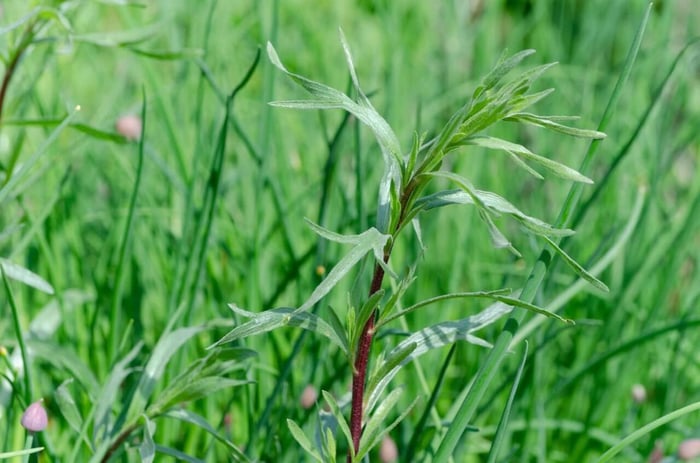
French Tarragon (Artemisia dracunculus var. sativa) is famously particular about where it grows. Unlike many herbs, it does not produce viable seeds and must be propagated through cuttings or root divisions. This makes climate and soil especially important, as growers are working with living plant material rather than seed stock.
The herb prefers temperate climates with warm days, cool nights, and plenty of sunlight. Excessive heat can stress the plant, while prolonged humidity increases the risk of disease. Well-drained soil is essential; sandy or loamy soils rich in organic matter support healthy root development, while heavy or waterlogged soils can quickly damage the plant. Moderate rainfall or controlled irrigation works best, as tarragon dislikes both drought and standing moisture.
Traditionally, French Tarragon has been cultivated across parts of Western Europe, particularly in France, where it became foundational to classic cuisine. Regions with mild summers and relatively dry conditions proved ideal, allowing the herb to develop its signature aromatic oils.
In the United States, French tarragon is grown on a smaller scale, often in specialized herb farms. States such as California, Oregon, Washington, and parts of the Northeast provide suitable growing conditions. Coastal California offers long, mild seasons with controlled irrigation, while the Pacific Northwest and northern states rely on cooler summers and well-managed soil drainage to support healthy plants.
The People Behind the Herb
Growing French Tarragon is rarely an industrial endeavor. Because the plant demands careful propagation and hands-on maintenance, it is often cultivated by smaller farms and skilled growers who understand its temperament. These growers monitor soil conditions closely, prune regularly to encourage leaf growth, and harvest at precise moments when the leaves contain the highest concentration of essential oils. Their work reflects a balance between science and intuition—knowing when to intervene and when to let the plant develop naturally.
From Fresh Leaf to Chopped Tarragon
Once harvested, French Tarragon must be handled gently. The leaves bruise easily, and rough processing can diminish their delicate aroma. After cleaning, the leaves are dried using low-temperature methods designed to protect volatile oils. Slow dehydration removes moisture without stripping the herb of its characteristic anise-like flavor.
As drying progresses, the flavor becomes more concentrated. The leafy texture crisps, making it suitable for chopping into uniform pieces. This chopped form improves consistency in cooking and allows the herb to disperse evenly through dishes. Proper drying also stabilizes the herb, extending shelf life while preserving aroma and taste. The result is a product that offers reliability and refinement, even outside the growing season.
How Chopped French Tarragon Is Used
Chopped French Tarragon is inseparable from classic French cuisine, particularly in sauces. In creamy preparations, its subtle sweetness cuts through richness, adding lift and balance rather than heaviness. It brings clarity to dishes that rely on butter, cream, or egg yolks, preventing them from feeling flat.
In poultry and seafood dishes, French tarragon enhances natural flavors without masking them. Chicken, turkey, and delicate fish benefit from its gentle herbal notes, which add dimension without competing for attention. The herb’s restrained character makes it especially valuable in lighter proteins.
Vegetable dishes also gain depth from chopped tarragon. When paired with mushrooms, asparagus, or green beans, it emphasizes earthiness while contributing a faint sweetness. In these contexts, tarragon acts as a bridge between freshness and savoriness.
Three Ways to Cook with Chopped French Tarragon
A classic chicken Tarragon cream sauce illustrates the herb’s strength. Chicken is sautéed until golden, then finished with shallots, cream, and a pinch of chopped French tarragon. As the sauce simmers, the herb rehydrates and releases its aroma, creating a smooth, elegant finish that feels both comforting and refined.
Tarragon egg salad offers a simpler application. Hard-boiled eggs are chopped and mixed with mayonnaise, mustard, and a small amount of tarragon. The herb’s subtle anise note brightens the richness of the eggs, turning a familiar dish into something more nuanced.
For vegetables, roasted carrots with butter and tarragon show how little is needed. Carrots are roasted until tender, then tossed with melted butter and chopped tarragon. The herb enhances the natural sweetness of the carrots, adding complexity without overwhelming their flavor.
A Herb That Teaches Restraint
Chopped French Tarragon is not about intensity; it is about precision. Grown in carefully chosen climates, cultivated by attentive hands, and dried with respect for its delicate oils, it carries centuries of culinary tradition into modern kitchens. Used thoughtfully, it elevates dishes quietly, reminding cooks that sophistication often lies in subtlety rather than excess.