
Table of Contents
- Three Cinnamon Traditions, One Kitchen: Choosing Between Korintje, Saigon, and Ceylon Cinnamon
- The Cinnamon Tree and Its Journey Around the World
- Korintje Cinnamon: Indonesia's Reliable Favorite
- Saigon Cinnamon: Vietnam's Bold Expression
- Ceylon Cinnamon: Sri Lanka's Delicate Treasure
- How Cinnamon Becomes Ground Cinnamon
- Comparing Korintje, Saigon, and Ceylon Cinnamon
- Choosing the Right Cinnamon for Your Recipe
- Three Classic Recipes That Celebrate Cinnamon
- One Family of Spices, Three Distinct Personalities
- FAQs
Three Cinnamon Traditions, One Kitchen: Choosing Between Korintje, Saigon, and Ceylon Cinnamon
Walk into almost any kitchen and you will probably find a jar labeled simply "cinnamon." What that label does not tell you is that cinnamon is not a single spice. It is a family of closely related tree barks, each shaped by its own landscape, climate, and centuries of cultivation. Korintje Cinnamon, Saigon Cinnamon, and Ceylon Cinnamon all begin with evergreen trees, yet they deliver remarkably different aromas, sweetness, warmth, and character once they reach your kitchen.
Understanding those differences is more than a lesson in geography. It helps you choose the right cinnamon for the recipe in front of you. Some cinnamon varieties stand up beautifully to long baking times. Others shine in delicate pastries or savory dishes where balance matters more than intensity. Each variety offers its own strengths, and knowing when to reach for one over another can elevate everyday cooking.
The Cinnamon Tree and Its Journey Around the World
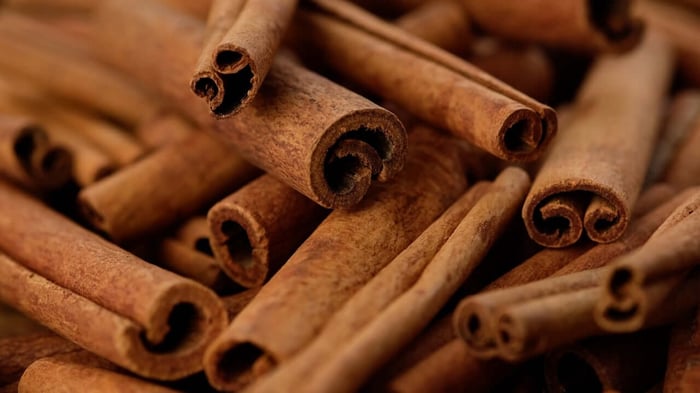
Cinnamon comes from the inner bark of trees belonging to the Cinnamomum family. Growers harvest the bark from young branches, carefully peeling away the outer layer before removing the fragrant inner bark that eventually becomes cinnamon sticks or ground cinnamon.
These trees flourish in tropical environments where warmth remains consistent throughout the year. They prefer temperatures between 75 and 90 degrees Fahrenheit, abundant humidity, and annual rainfall that often exceeds 60 inches. Rich soils filled with organic material encourage healthy growth, while good drainage prevents root diseases that can weaken the trees.
Although cinnamon can survive in many tropical regions, each variety has found a natural home where climate and soil produce its distinctive flavor.
Korintje Cinnamon: Indonesia's Reliable Favorite
Korintje Cinnamon comes primarily from the Indonesian island of Sumatra, particularly the Kerinci Highlands, the region that gave the spice its name. Volcanic soils, frequent rainfall, and mountain elevations create an ideal environment for cinnamon trees. Warm days, cool evenings, and fertile earth allow the bark to mature slowly, developing a flavor that is both sweet and full bodied.
Indonesia has become one of the world's largest cinnamon producers, supplying much of the cinnamon found in North American grocery stores. The combination of favorable growing conditions and generations of experienced growers has made Korintje Cinnamon remarkably consistent in both quality and flavor.
Many cinnamon farms in Sumatra remain family operations. Trees are tended throughout the year, and harvesting often involves careful hand work rather than heavy machinery. Growers understand which branches are mature enough for harvest and which should remain to support future production. This patience contributes to the dependable quality for which Korintje Cinnamon is known.
Korintje Cinnamon offers a balanced profile. It is sweet, warm, mildly spicy, and versatile enough for nearly any recipe. It has enough strength for cookies and coffee cakes while remaining gentle enough for oatmeal, apples, or homemade granola.
Ground Korintje Cinnamon

$8.75
Some spices earn a permanent place in the pantry, and Korintje Cinnamon is one of them. If you’re after that classic warm cinnamon flavor that makes homemade food feel like a hug, you’ve found it. Known for its rich aroma,… read more
Saigon Cinnamon: Vietnam's Bold Expression
Saigon Cinnamon originates primarily from northern and central Vietnam. Provinces such as Yen Bai, Lao Cai, and Quang Nam have become known worldwide for producing exceptionally aromatic cinnamon.
The region provides nearly everything cinnamon trees desire. Mountain slopes receive generous rainfall, humid air circulates throughout the growing season, and mineral rich soils support vigorous growth. The slower development of the trees contributes to bark with exceptionally high concentrations of natural aromatic oils.
Saigon Cinnamon is often considered the boldest member of the cinnamon family. Its naturally high oil content creates an intense aroma and pronounced sweetness followed by noticeable warmth. When a recipe calls for cinnamon to be one of the primary flavors, Saigon Cinnamon rarely disappoints.
Vietnamese cinnamon cultivation remains closely connected to rural communities. Harvest season requires careful timing because bark quality changes as branches mature. Workers strip bark by hand, preserving both the tree and the quality of the harvest. Their experience helps determine when the bark has reached its peak thickness and aromatic potential.
Because of its strength, Saigon Cinnamon excels in recipes where bold flavor is welcome. Cinnamon rolls, sticky buns, spice cakes, coffee drinks, and rich desserts all benefit from its intensity.
Ground Saigon Cinnamon

$10.00
Saigon Cinnamon is unforgettable. If you love bold cinnamon flavor and an aroma that fills the kitchen even before the timer goes off, this is the one you've been looking for. Prized for its naturally high essential oil content, Saigon… read more
Ceylon Cinnamon: Sri Lanka's Delicate Treasure
Ceylon Cinnamon, often called "true cinnamon," comes primarily from Sri Lanka. Smaller quantities are also grown in southern India, Madagascar, and the Seychelles, but Sri Lanka remains the world's most respected source.
Unlike the mountainous environments of Indonesia and Vietnam, many Ceylon growing regions combine tropical warmth with steady coastal humidity. The soils are fertile but well drained, allowing trees to flourish without excessive standing water. Rainfall is plentiful, though seasonal dry periods assist with harvesting.
Ceylon Cinnamon differs visually from other varieties. Instead of thick bark, it forms delicate layers rolled together into fragile quills. These thin layers require careful harvesting and skilled handling throughout processing.
Many Sri Lankan cinnamon growers continue traditions passed through generations. Harvesters make precise cuts, gently removing only the inner bark before allowing the tree to regenerate. Producing high quality Ceylon Cinnamon demands craftsmanship that cannot easily be replaced by automation.
The resulting flavor is elegant. Ceylon Cinnamon offers gentle sweetness, light citrus notes, floral aromas, and a subtle warmth that never overwhelms. It is ideal when cinnamon should complement rather than dominate a dish.
Ground Ceylon Cinnamon

$12.50
When only the finest cinnamon will do, reach for Ceylon Cinnamon. Often called "true cinnamon," Ceylon Cinnamon is prized around the world for its delicate sweetness, smooth finish, and naturally complex flavor that never overpowers a recipe. If you enjoy… read more
How Cinnamon Becomes Ground Cinnamon
Regardless of variety, processing follows similar principles.
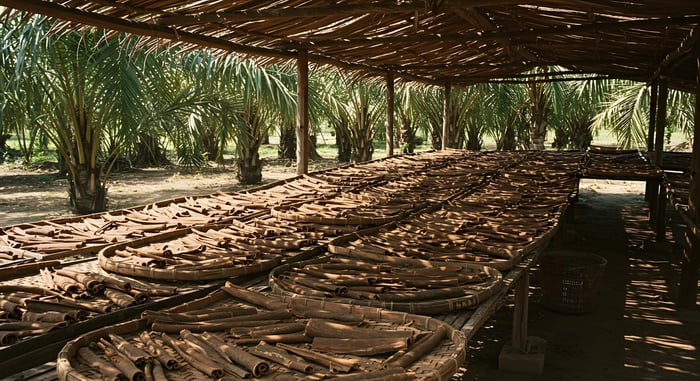
After harvesting, the outer bark is removed and the inner bark is carefully separated. As the bark dries, it naturally curls into the familiar quills associated with cinnamon sticks. Drying takes place under carefully controlled conditions where air circulation removes moisture gradually without damaging aromatic oils.
Slow drying serves two important purposes. First, it concentrates the natural compounds responsible for cinnamon's aroma and flavor. Second, it greatly extends shelf life by reducing moisture that could otherwise encourage spoilage.
Once fully dried, the quills are graded for quality. Some remain whole for culinary use, while others are milled into ground cinnamon. Grinding is performed carefully to preserve volatile oils and produce a consistent texture suitable for baking and cooking.
Comparing Korintje, Saigon, and Ceylon Cinnamon
| Feature | Korintje Cinnamon | Saigon Cinnamon | Ceylon Cinnamon |
|---|---|---|---|
| Primary Origin | Sumatra, Indonesia | Vietnam | Sri Lanka |
| Flavor | Balanced, warm, sweet | Bold, rich, intensely aromatic | Delicate, light, floral |
| Aroma | Comforting and familiar | Strong and spicy | Elegant and refined |
| Sweetness | Medium | High | Gentle |
| Best For | Everyday baking and cooking | Cinnamon forward desserts and beverages | Delicate pastries, fruit desserts, custards, sauces |
| Baking Performance | Excellent | Excellent for rich baked goods | Best for lighter baked goods |
| Savory Cooking | Excellent in stews and spice blends | Works well in barbecue and robust sauces | Excellent in curries and lighter savory dishes |
| Everyday Versatility | Outstanding | Moderate | Moderate |
Choosing the Right Cinnamon for Your Recipe
If you bake frequently and want one cinnamon that performs well nearly everywhere, Korintje Cinnamon is often the best choice. Its balanced flavor complements cookies, muffins, breads, oatmeal, apples, and breakfast dishes without overwhelming other ingredients.
Saigon Cinnamon is ideal when cinnamon should become one of the stars of the recipe. Rich cinnamon rolls, spice cakes, hot chocolate, coffee beverages, and holiday desserts benefit from its bold aroma and lingering warmth. Even small amounts make a noticeable impact.
Ceylon Cinnamon rewards subtle cooking. Delicate pastries, poached fruit, rice pudding, custards, and lighter sauces allow its refined sweetness and floral character to remain noticeable without competing against stronger ingredients.
Three Classic Recipes That Celebrate Cinnamon
An old fashioned apple crisp becomes an excellent showcase for Korintje Cinnamon. Fresh apples are tossed with cinnamon, sugar, and butter before being topped with a crisp oat mixture. During baking, Korintje Cinnamon blends naturally with the fruit, providing warmth without overshadowing the apples' natural sweetness.
A traditional cinnamon roll highlights the strengths of Saigon Cinnamon. As the dough rises and bakes, the rich aromatic oils remain vibrant throughout the filling. Every swirl carries bold cinnamon flavor balanced by butter and brown sugar, producing the classic bakery aroma that fills the entire kitchen.
Rice pudding offers an ideal stage for Ceylon Cinnamon. Slowly simmered rice, milk, sugar, and vanilla develop gentle richness, while Ceylon Cinnamon contributes elegant sweetness that enhances rather than dominates the dessert. Its lighter profile keeps the pudding delicate and refined.
One Family of Spices, Three Distinct Personalities
It is easy to think of cinnamon as a single ingredient, but Korintje, Saigon, and Ceylon Cinnamon each tell a different story. Their differences begin in tropical forests, fertile soils, dependable rainfall, and the careful work of growers who understand their trees intimately.
Those differences continue through harvesting, drying, and grinding until they finally arrive in the kitchen. Whether you choose the dependable balance of Korintje Cinnamon, the bold richness of Saigon Cinnamon, or the refined elegance of Ceylon Cinnamon, you are choosing more than flavor. You are choosing a tradition shaped by geography, craftsmanship, and generations of experience.
For cooks and bakers alike, understanding these distinctions transforms cinnamon from an ordinary pantry staple into one of the most versatile and fascinating spices in the world.
FAQs
Is Ceylon cinnamon really the only "true" cinnamon, or is that just spice-world snobbery?
It is scientifically true, but let’s not get elitist! Ceylon is known as "true cinnamon" (Cinnamomum verum). It hails mainly from Sri Lanka. It delivers a delicate, complex, and sweet flavor profile with subtle hints of citrus. Meanwhile, its bold cousins—Saigon and Korintje—belong to the Cassia family. Cassia isn't a fake; it is just a different, punchier branch of the family tree. Think of Ceylon as a acoustic jazz set, while Cassia is a full-blown rock concert. Both are great, depending on your vibe!
Why does Saigon cinnamon smell like Christmas on steroids while Korintje is more chill?
It all comes down to essential oils! Saigon cinnamon boasts the highest level of cinnamaldehyde. This chemical compound gives cinnamon its signature spicy aroma and fiery kick. It is loud, proud, and unapologetically bold. Korintje cinnamon is the smoother, mellower choice from Indonesia. It holds less intense oil. This makes Korintje the reliable, classic flavor you usually find in standard grocery store spice aisles. It handles your everyday baking without hijacking the entire recipe.
Can my heavy cinnamon habit actually cause health issues?
Yes, if you are binging the wrong kind! Cassia varieties like Saigon and Korintje contain coumarin. This natural compound can cause liver damage if consumed in massive daily doses. Saigon packs the highest amount of it. If you love putting spoonfuls of spice in your daily smoothies, you should switch to Ceylon. It has negligible coumarin levels. Your liver will thank you for making the swap!