
Celery flakes rarely take center stage, yet they shape the foundation of countless savory dishes. Their flavor is familiar but more focused than fresh celery, offering gentle bitterness, soft herbal notes, and a clean vegetal finish. Celery flakes are about structure rather than show, giving soups, sauces, and slow cooked meals a sense of completeness. They are the kind of ingredient that works steadily in the background, improving depth without demanding attention.
Where Celery Is Grown Around the World
Celery originated in the Mediterranean basin, where wild varieties once grew in marshy coastal soils. Today, cultivated celery is grown across temperate regions of the world, wherever cool weather, steady moisture, and fertile soil come together.
China is one of the largest producers of celery, particularly in regions with long growing seasons and consistent irrigation. European countries such as Italy, France, and Spain also have long histories of celery cultivation. In these areas, mild winters and cool springs allow celery to develop slowly, building flavor before harvest.
The United States plays a significant role in celery production. California leads the way, especially the coastal valleys around Monterey, Santa Maria, and Oxnard. These regions benefit from marine air that moderates temperature, preventing heat stress while allowing long, steady growth. Michigan is another key producer, particularly in areas with rich muck soils formed from ancient wetlands. Parts of Florida also grow celery during cooler months, supplying fresh stalks when northern fields rest.
Climate Soil and Rainfall Needs
Celery is a crop that prefers balance. It thrives in cool to mild temperatures, generally between fifty and seventy degrees Fahrenheit. Excessive heat can cause bitterness and hollow stalks, while frost damages texture and flavor.
Soil is critical. Celery grows best in deep, fertile soil rich in organic matter. Loamy soils that retain moisture without becoming waterlogged are ideal. In places like Michigan, naturally dark soils provide nutrients that support slow, even growth. In California, growers rely on careful soil management and compost to achieve similar results.
Water availability is perhaps the most important factor. Celery requires consistent moisture throughout its growing cycle. Irregular rainfall or uneven irrigation leads to stress, which directly affects flavor. Regions with reliable rainfall or advanced irrigation systems tend to produce the most consistent crops.
The People Behind Celery Cultivation
Celery farming is labor intensive and detail driven. Fields are closely monitored, as plants respond quickly to changes in water and temperature. Growers often walk rows daily, checking leaf color and stalk thickness to gauge health.
In the United States, celery is frequently grown by multi generational farming families who understand the crop’s demands. In coastal California, harvest often begins in the early morning to protect the stalks from heat. In Michigan, growers time planting carefully to make use of shorter summers. Across regions, celery farming rewards patience, observation, and steady hands.
From Fresh Stalks to Celery Flakes
Celery flakes begin with fresh, mature stalks harvested at peak flavor. Once collected, the stalks are washed and trimmed, removing fibrous ends and leaves that could affect texture. The celery is then sliced into small, uniform pieces to ensure even drying.
Drying is the most important stage. Low temperature dehydration removes moisture while preserving volatile aromatic compounds. This gentle process concentrates celery’s natural flavor, transforming it from crisp and watery into savory and rounded. Proper drying also stabilizes the product, extending shelf life without the need for additives.
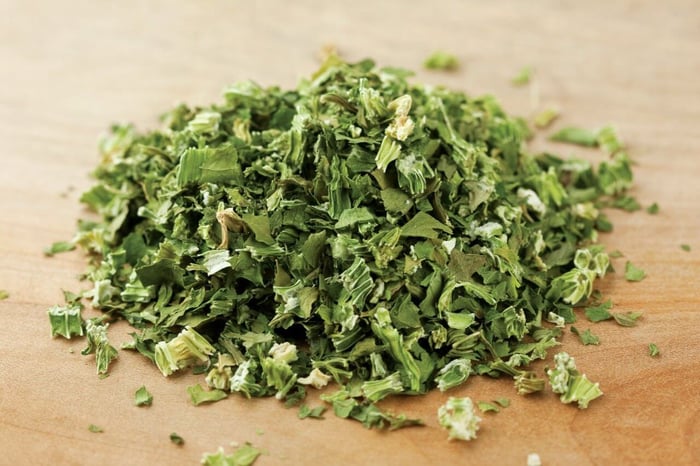
Once dried, the celery pieces are cut into flakes. The result is a lightweight ingredient that delivers consistent flavor and dissolves easily into hot dishes.
How Celery Flakes Are Used in Cooking
Celery flakes are a cornerstone of soups and broths. Added early, they release their flavor slowly, creating a savory base that supports other vegetables and proteins. Because they lack excess moisture, they strengthen flavor without thinning the broth.
In stuffing and dressing, celery flakes provide familiar celery character without the risk of sogginess. They distribute evenly through bread and grains, offering flavor in every bite while keeping texture intact.
Celery flakes are also widely used in sauces and gravies. Their mild bitterness balances richness, preventing cream or butter based sauces from feeling heavy. The flakes blend seamlessly, contributing depth without visible texture.
In spice blends and dry rubs, celery flakes serve as a binding note. They connect stronger spices and herbs, creating harmony rather than competition.
Everyday Cooking With Celery Flakes
A classic chicken noodle soup benefits from celery flakes added alongside onions and carrots. As the soup simmers, the flakes soften completely, releasing savory notes that make the broth taste full and comforting.
A traditional bread stuffing gains consistency from celery flakes. Mixed with dried herbs, onions, and broth, the flakes provide celery flavor without introducing extra moisture. The finished dish bakes evenly, with clean slices and balanced taste.
A simple pan gravy can also rely on celery flakes. Whisked into simmering stock with fat and flour, they round out flavor and give the sauce a subtle vegetal backbone that complements roasted meats.
Why Celery Flakes Matter
Celery flakes may seem modest, but they are essential. They bring reliability to cooking, offering consistent flavor regardless of season. Their careful cultivation and gentle drying preserve the essence of fresh celery while making it practical for long term use. In many kitchens, celery flakes are the difference between food that tastes assembled and food that tastes complete.