
Leeks are not flashy vegetables. They don’t shout with heat or sweetness, and they rarely stand alone. Instead, they work patiently in the background, lending meals a soft, savory foundation that feels comforting and familiar. Leek flakes take that understated character and preserve it, transforming a fresh, soil-grown vegetable into a shelf-stable ingredient that delivers gentle onion flavor whenever it’s needed. They are proof that some of the most important flavors in cooking are the ones you almost don’t notice. Until they’re gone.
Where Leeks Take Root
Leeks prefer cool, steady growing conditions and reward growers who give them time. They thrive in temperate climates with long, mild seasons, where frost is light and summers avoid extreme heat. The ideal soil for leeks is loose, fertile, and well-drained, often enriched with organic matter to support slow, even growth. Consistent moisture is critical; leeks need regular rainfall or irrigation, but standing water can cause disease or rot.
Across the globe, leeks are commonly harvested in Western Europe, particularly in France, Belgium, the Netherlands, and the United Kingdom, where cool maritime climates and rich soils produce thick, tender stalks. These regions have cultivated leeks for centuries, weaving them into traditional soups, stews, and rustic dishes.
The United States is also an important producer. Leeks are grown in states such as California, Michigan, New York, and Washington. Coastal California offers long growing seasons with moderate temperatures, while the Midwest and Northeast rely on cooler spring and fall weather to support leek development. In these regions, irrigation supplements rainfall to maintain even soil moisture throughout the growing cycle.
The Hands That Grow Them
Leek farming is deliberate work. Unlike faster-growing vegetables, leeks take months to mature, requiring repeated soil mounding to blanch the stalks and encourage their signature pale color. Farmers walk the same rows again and again, monitoring thickness, straightness, and overall health. Harvesting is typically done by hand or with careful mechanical assistance to avoid bruising. The people behind leek cultivation tend to value consistency over speed, knowing that patience is the key to flavor and texture.
From Field to Flake: Drying Leeks for Longevity
Fresh leeks are washed thoroughly to remove soil trapped between their layered leaves, then sliced into uniform pieces. Drying follows quickly to preserve flavor and prevent spoilage. Controlled dehydration removes moisture at low temperatures, protecting the natural sulfur compounds that give leeks their mild onion-like aroma.
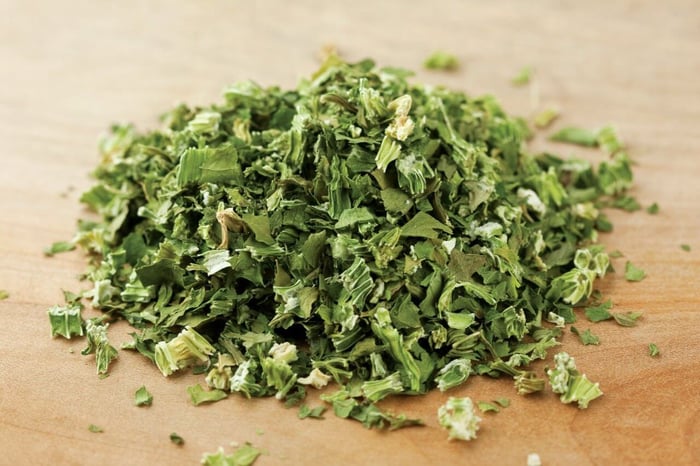
As the water content drops, the leek’s flavor concentrates. What was once subtle becomes more defined, yet still gentle. Once dried, the pieces are lightly processed into flakes of consistent size. This form improves storage stability, extends shelf life, and allows the flavor to bloom gradually when rehydrated. The drying process doesn’t just preserve leeks, it refines them, making their savory qualities more accessible in everyday cooking.
Where Leek Flakes Shine in the Kitchen
Leek flakes are especially valuable in soups and broths, where they dissolve slowly and release a rounded, savory base note. They add depth without overpowering other ingredients, making them ideal for vegetable soups, chicken broths, and creamy chowders.
In grain-based dishes like rice, risotto, or pilaf, leek flakes provide subtle complexity. As they absorb liquid, they soften and distribute evenly, ensuring consistent flavor in every bite. Their mildness allows them to support herbs, butter, and stock rather than compete with them.
Leek flakes also work well in baked savory dishes such as breads, quiches, and casseroles. They deliver onion flavor without excess moisture, helping maintain texture while enhancing aroma. In these dishes, leek flakes bring warmth and balance, especially when paired with dairy or eggs.
Three Simple Ways to Cook with Leek Flakes
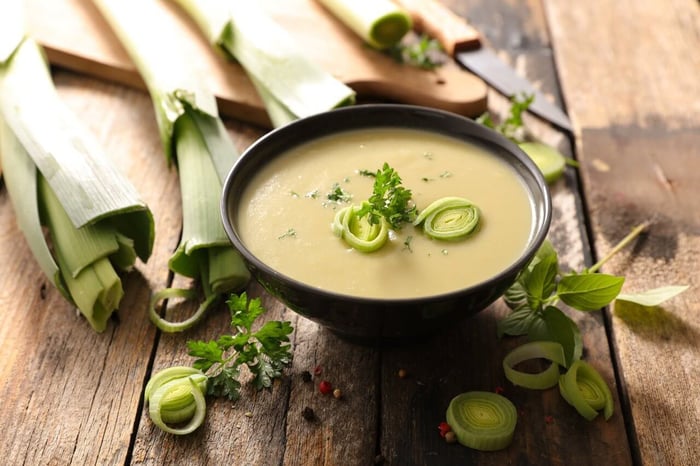
A classic potato and leek soup becomes even more convenient with leek flakes. Potatoes are simmered in broth until tender, then blended with cream or milk. Leek flakes added early in the cooking process rehydrate fully, creating the familiar mellow sweetness without the prep work of fresh leeks.
Savory leek rice is another easy application. Rice cooks in stock with butter and a spoonful of leek flakes, which soften as the grains absorb liquid. The result is a fragrant side dish that pairs effortlessly with roasted meats or vegetables.
For a comforting baked dish, leek and cheese biscuits showcase how flakes perform in dough. Mixed directly into biscuit batter with sharp cheese, the flakes hydrate during baking, releasing flavor without affecting structure. The finished biscuits are tender, aromatic, and quietly savory.
A Pantry Ingredient with Purpose
Leek flakes don’t aim to replace fresh leeks; they extend their usefulness. They offer consistency, convenience, and depth in a form that fits modern kitchens while honoring traditional flavors. Grown slowly in cool fields, dried with care, and used thoughtfully, leek flakes prove that some ingredients are valuable precisely because they don’t demand attention. They simply make everything else taste more complete.