
Table of Contents
Dill Seed and the Long Memory of Flavor
Dill seed carries a quiet confidence. It does not rush to the front of a dish, yet its presence lingers, warming the background with notes that feel both familiar and slightly unexpected. Where fresh dill leaf is bright and grassy, dill seed is deeper, rounder, and more patient. It has traveled across continents and centuries, finding a steady place in kitchens that value balance, preservation, and subtle complexity.
Where Dill Seed Is Grown and Harvested
Dill is believed to have originated in the eastern Mediterranean and western Asia, regions where warm days, cool nights, and well drained soils create ideal conditions. From there, its cultivation spread north and west into Europe, east into parts of India, and eventually across the Atlantic to North America.
Today, dill seed is commonly harvested in countries such as India, Egypt, Poland, Hungary, and Germany. In India, large growing regions benefit from long sunny days and moderate rainfall, allowing dill plants to mature fully and set strong seed heads. European production often takes place in temperate climates where cooler summers help slow growth, concentrating essential oils within the seeds.
The United States is also a notable producer. Dill seed is grown in parts of the Midwest and Pacific Northwest, including states such as Minnesota, North Dakota, Wisconsin, and Washington. These regions offer fertile soils with good drainage and consistent moisture during the growing season. Spring rains help establish young plants, while drier conditions later in the season support seed development and harvest.
Climate Soil and Growing Conditions
Dill thrives in full sun and prefers moderately cool temperatures. Excessive heat can cause the plant to bolt too quickly, while overly wet conditions may weaken roots or reduce seed quality. Well drained loamy soils are ideal, allowing roots to access moisture without becoming waterlogged.
Rainfall plays an important role early in the growing cycle, helping the plant establish tall, feathery stalks. As flowering begins and seeds form, drier weather becomes beneficial. This natural shift supports stronger seeds with concentrated aroma and flavor.
The People Behind the Fields
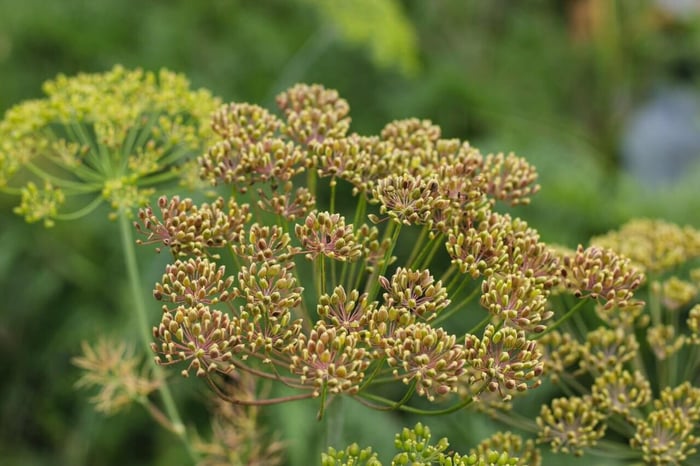
Dill seed cultivation often falls to small and medium sized farms where attention to timing matters. Farmers watch the fields closely as the green umbels slowly turn tan, signaling maturity. Harvest too early and the flavor remains underdeveloped. Harvest too late and seeds may shatter and fall to the ground.
In many regions, this work is still done with a mix of traditional knowledge and modern equipment. Families who have grown dill for generations understand the rhythm of the plant. Their role is subtle, guiding rather than forcing the process, trusting weather, soil, and time to do their work.
Harvesting and Drying Dill Seed
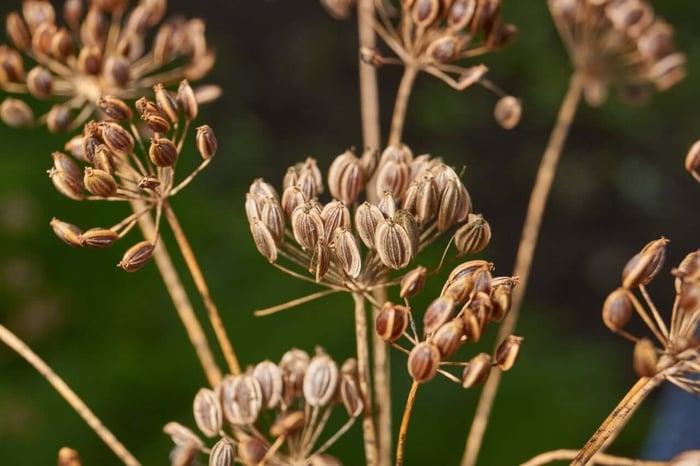
Once the dill plants reach maturity, they are cut and allowed to dry. This stage is essential for both flavor and preservation. As moisture leaves the seed heads, the essential oils responsible for aroma and taste become more concentrated.
Drying may occur in the field under controlled conditions or indoors in well ventilated spaces. The goal is slow, even drying that protects the delicate oils from excessive heat or moisture. After drying, seeds are separated from the stalks and cleaned to remove debris.
This careful handling ensures dill seed remains shelf stable while retaining its warm, slightly citrusy, and gently bitter character. Proper drying also prevents spoilage, allowing the spice to be stored and transported without loss of quality.
Flavor Profile and Culinary Character
Dill seed offers a flavor that is more robust than dill weed. It carries hints of caraway, anise, and mild citrus, with a warmth that works well in both savory and preserved foods. Because of its intensity, a small amount goes a long way.
Its structure allows it to release flavor slowly during cooking, making it especially useful in dishes that simmer, bake, or cure over time. This gradual release creates depth rather than sharpness.
Common Uses in Cooking
Dill seed is perhaps best known for its role in pickling. When added to brines for cucumbers or other vegetables, it contributes warmth and complexity while supporting preservation. The seed holds up well to vinegar and salt, maintaining flavor throughout long storage.
In bread baking, dill seed adds an unexpected layer to rye and whole grain loaves. Its aromatic quality balances hearty flours and enhances savory notes without overpowering the crumb.
Dill seed also appears in soups and stews, particularly those featuring root vegetables or cabbage. As the dish simmers, the seed slowly infuses the broth, adding richness and a subtle herbal backbone.
In spice blends and dry rubs, dill seed brings balance. It pairs well with mustard seed, coriander, and pepper, creating blends suited for meats, fish, or roasted vegetables.
Recipes That Showcase Dill Seed
Traditional dill pickles rely on dill seed as a cornerstone. Cucumbers are packed with garlic, dill seed, and spices, then submerged in a salt and vinegar brine. Over time, the seeds release their flavor, transforming fresh cucumbers into crisp, tangy pickles with lasting aroma.
A classic rye bread benefits from the addition of dill seed in the dough. As the bread bakes, the seeds toast gently, releasing warmth that complements the earthiness of rye flour. The finished loaf carries a savory fragrance that deepens with each slice.
In a simple cabbage soup, dill seed is added early along with onions and broth. As the soup simmers, the seed softens and infuses the liquid, giving the dish a comforting, old world character that improves as leftovers rest.
Why Dill Seed Endures
Dill seed endures because it offers more than flavor.
It represents:
- patience
- preservation
- restraint
From open fields shaped by weather and soil to careful drying and thoughtful use in the kitchen, dill seed rewards those who appreciate its steady nature. It does not demand attention, yet it leaves a lasting impression long after the meal is finished.
Whole Dill Seed

$5.50
$6.00
Dill Seed has a character all its own. It’s earthy with a whisper of anise and a hint of citrus. It steps in when you need something sturdy and aromatic, whether you're brining pickles or simmering a pot of stew.… read more
FAQs
What is the difference between dill seed and dill weed?
Dill weed is fresh, grassy, and delicate, making it perfect for cold dishes, salads, and Tzatziki. Dill seed is much more pungent, earthy, and slightly bitter which is ideally suited for stews, dense breads, and boiling pickling brines.
How are dill seeds harvested?
Cut the mature seed heads from the plant and hang them upside down inside a paper bag until the dried seeds drop to the bottom. Boom!
If I ate a dill seed what does it taste like?
It would taste sharp and earthy, similar to caraway. Give it a try!