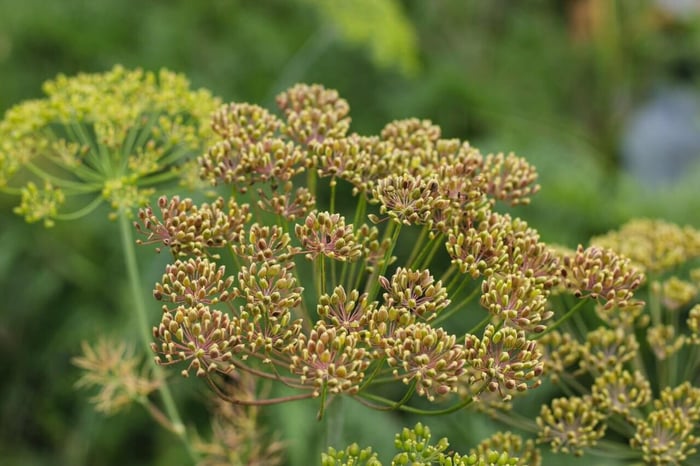
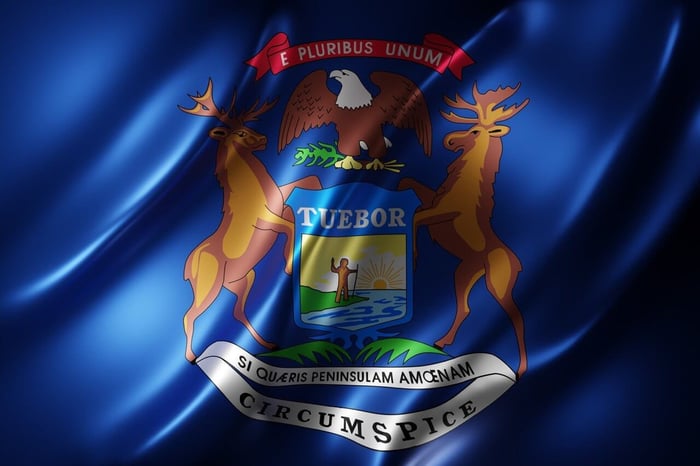

They say Michigan is a state of two stories: the industrial clang of Detroit’s steel past and the windswept echo of open fields, forested backroads, and coastlines that stretch like rugged hymns. But when you slow the car past the blueberry farms near South Haven or step into a bait shop diner in Hillman, you realize there’s a third story. One you taste before you hear it. That story starts with Dill Seed.
This isn’t some soft-spoken spice tucked in a pantry. This is Michigan's flavor compass. Sharp, clean, and stubbornly resilient, Dill Seed is the culinary signature of the Great Lakes State. And no, it didn’t come to the party late. It was already in the jar when your grandmother’s grandmother was brining pickles in a root cellar that smelled of cedar and earth.
The Flavor That Can Handle the Cold
Michigan’s a state of seasons, sure, but those seasons hit different up here. A Michigan winter doesn’t knock; it kicks in the door. And the food? It’s built to last. From venison sausage to freshwater whitefish pulled from the ice on Higgins Lake, the meals are unapologetically bold. They demand seasoning that stands up to the elements.
Enter Dill Seed.
It doesn’t just survive in these dishes. It leads. Not flashy. Not delicate. But defining.
Step into a kitchen in McBain during hunting season. You’ll smell it. Dill-laced jerky drying on homemade racks. You’ll hear stories told over mugs of beer and stew, thick with flavor, where Dill Seed punches through the fat like a shot of fresh air. It doesn’t whisper. It cuts through.
Grit Woven into the Spice Rack
The rural heartbeat of Michigan isn’t folklore. It’s fact. Nearly half the state is forest. Farming towns dot the landscape like punctuation marks in a long sentence of independence. And in these kitchens, Dill Seed shows up like an old friend. Trusty, necessary, and proudly unpretentious.
In Mio, a logging town that knows cold as well as it knows hard work, there’s a tradition every February. Locals dig out their ice shanties, then come home to a meal they call “Lumberjack Brine”, a salt pork and cabbage stew seasoned with cloves of garlic and a heavy pour of Dill Seed. The recipe isn’t in a book. It’s in muscle memory. And that flavor? It’s unmistakably Michigan.
Dill Seed brings an edge of brightness, a dry crunch of something wild and fermented. Not unlike the people who settle here and stay. It’s tough. It’s clean. It stands tall when the temperatures fall.
A Legacy as Sharp as Its Flavor
Michigan has no shortage of historical figures with grit baked into their story, but none reflect the raw persistence and earthy intensity of Dill Seed quite like Sojourner Truth. Born into slavery and later settling in Battle Creek, she became a voice that wouldn’t bend or break. Like Dill Seed, her presence lingered. Not perfumed or polished, but potent, real, and impossible to ignore.
In local lore, there’s a mention, off the record, of her pickling vegetables with herbs grown in her own backyard. Dill among them. A simple gesture, maybe. But one with roots.
Where the Lakes Meet the Land, and the Dill Runs Deep
Michigan is water. Over 11,000 inland lakes and the towering presence of the Great Lakes themselves. But it’s also land carved from glacier and labor. The two merge in places like Croswell, where every August a pickle festival draws families for miles.
The star of the event isn’t the carnival rides or craft booths. It’s the jars. Dill pickles, bright and sharp, carrying flavor that sings of vinegar, garlic, and Dill Seed harvested from plots behind barns and beside silos. No one here needs reminding of what gives that bite its brilliance. They taste it. They know.
You won’t find cumin or cardamom stealing the stage in Michigan kitchens. What you will find is Dill Seed, mixed into bread doughs, rubbed onto trout fillets, simmered in brines, and cracked under mortar and pestle on cold mornings when casseroles are assembled before sunup.
Dill Seed in the New Michigan Kitchen
Don’t mistake tradition for stagnation. Michigan’s food scene isn’t just old recipes in oilcloth-covered cookbooks. It's evolving with Dill Seed in the passenger seat.
In Traverse City, young chefs are adding it to deviled egg mousse and smoked lake trout pâté. In Detroit, there’s a resurgence of Nordic-inspired pickling where Dill Seed is not an afterthought, it’s the anchor. These aren’t ironic revivals. They’re reinventions. And Dill Seed brings the legitimacy.
Because whether you’re plating microgreens or pulling hot jars from a canning pot, Dill Seed reminds you where you are. It tells you what’s underneath: a state with edge. With memory. With a flavor that refuses to be ignored.
Why Dill Seed is Michigan's Spice, Now and Always
Dill Seed isn’t the seasoning of convenience. It’s the seasoning of conviction. It doesn’t ask to be added. It belongs.
It reflects Michigan’s geography. Its iron-rich soil, its relentless climate, its people who do what needs doing and season their food like they mean it. Dill Seed isn’t garnish. It’s declaration. It doesn't fade into the background. It brings balance to richness, electricity to fat, structure to comfort.
You could say Michigan and Dill Seed grew up together, both a little wild, a little rough around the edges, but unmistakably strong.
So go ahead. Bite into a pickle made with real Michigan-grown Dill Seed. Tear off a hunk of rye bread dotted with its unmistakable crunch. Taste the way the flavor holds its own, sharp and unbending, long after the bite’s gone.
That’s not just seasoning.
That’s identity.
That’s Michigan.