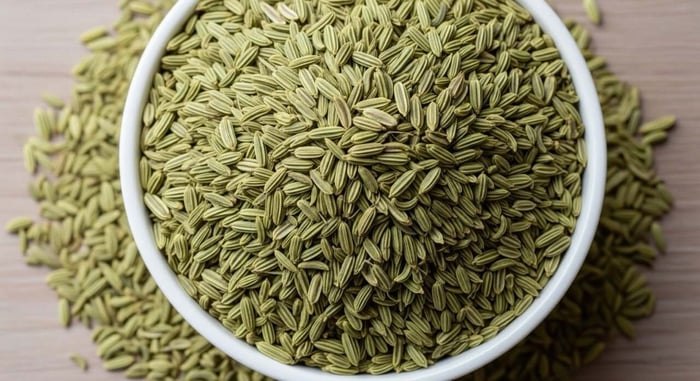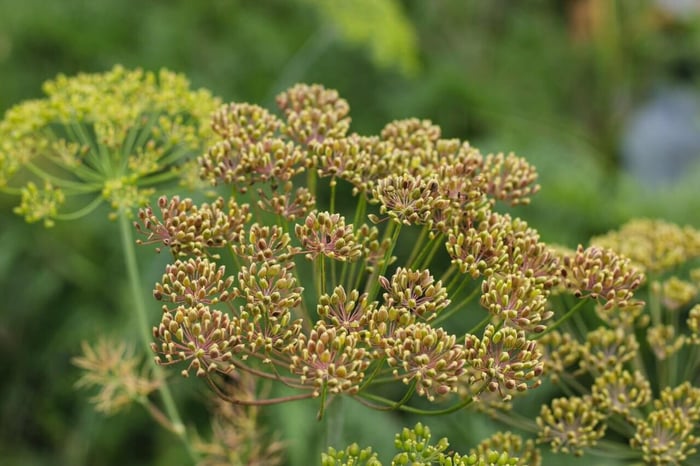
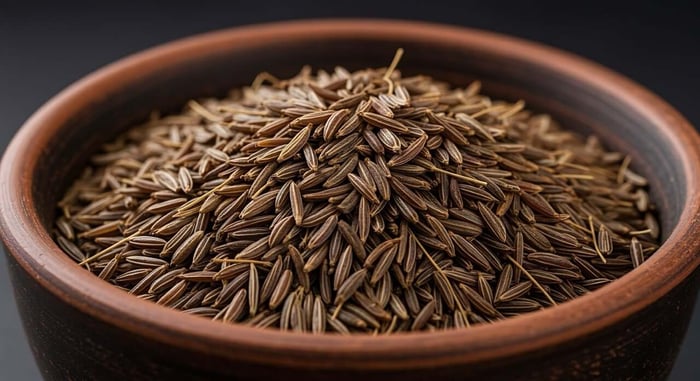

Caraway seed does not shout. It settles into a dish the way good soil settles around a root, quietly shaping everything that grows above it. Its aroma is warm, faintly sweet, and lightly bitter, with a familiarity that feels inherited rather than learned. For centuries, caraway seed has been tied to food meant to nourish and sustain, not impress. It is a spice born of cool weather, patient farming, and kitchens that value depth over drama.
Where Caraway Seed Is Grown
Caraway seed comes from the plant Carum carvi, a member of the parsley family that favors temperate climates. It is native to Europe and parts of Western Asia, and those regions remain its strongest producers today. Germany, the Netherlands, Austria, Poland, and Hungary have long histories with caraway, especially in areas where summers are mild and winters are cold enough to encourage strong seed development.
Northern Europe also plays a role. Scandinavia and parts of Russia produce caraway seed that is known for its clean, concentrated flavor. In these regions, long daylight hours during summer help the plant flower and set seed, while cooler temperatures prevent bitterness from developing.
Caraway seed is grown in the United States as well, though on a smaller scale. The Upper Midwest offers conditions similar to central Europe. Wisconsin, Minnesota, and North Dakota are the most notable regions, where fertile soil and cool growing seasons allow caraway to mature slowly and evenly. Small farms in these states often grow caraway as part of a rotation system, pairing it with grains and legumes to protect soil health.
Climate Soil and Rainfall Needs
Caraway is a biennial plant, meaning it takes two growing seasons to produce seed. This alone requires patience. During the first year, the plant focuses on developing a strong root system and leafy growth. In the second year, it flowers and sets seed.
Cool temperatures are essential. Caraway prefers daytime temperatures that stay moderate, with cool nights that slow growth just enough to concentrate flavor. Excessive heat can stress the plant and reduce oil content in the seeds.
The soil must drain well. Loamy soil rich in organic matter allows roots to grow deep without becoming waterlogged. Heavy clay soils can cause rot, while sandy soils may drain too quickly and deprive the plant of moisture.
Rainfall matters, but balance matters more. Caraway benefits from steady moisture during early growth and flowering. Too much rain near harvest can cause mold and seed loss. Many growers rely on natural rainfall and careful timing rather than heavy irrigation.
The People Who Grow It
Caraway seed is often grown by farmers who understand long timelines. Because the plant takes two years to reach harvest, it rarely fits into fast or intensive farming models. Instead, it belongs to growers who think in seasons rather than quarters.
In Europe, caraway fields are often family run, passed down through generations. Knowledge about planting depth, spacing, and harvest timing is learned through experience, not manuals. In the United States, caraway growers tend to be small to mid size operations that value crop rotation and soil stewardship. The work is steady and observant. Fields are walked. Seed heads are watched closely. Harvest comes down to timing rather than force.
From Field to Finished Seed
Once caraway seed heads mature, they turn from green to a muted brown. This is the signal for harvest. If picked too early, the seeds lack aroma. Too late, and they shatter and fall to the ground.
After harvest, the seed heads are dried. This step is essential. Drying reduces moisture while locking in essential oils that give caraway its signature scent and flavor. Drying is done slowly, either in shaded open air spaces or in low temperature dryers designed to protect volatile compounds.
Once fully dried, the seeds are separated from the plant material and cleaned. This process removes stems, dust, and immature seeds. What remains are firm, aromatic seeds that store well and release flavor gradually when used in cooking. Proper drying and cleaning not only preserve caraway seed, they refine it.
How Caraway Seed Is Used in Food
Caraway seed is most famously associated with rye bread. In this role, it does more than add flavor. It balances the density of rye flour, lifts the aroma of fermentation, and keeps each bite from feeling heavy. The result is bread that feels grounded but not dense.
In Central and Eastern European cooking, caraway seed appears in cabbage dishes and slow cooked meats. It pairs naturally with pork, beef, and root vegetables, cutting through richness and supporting digestion. Its slight bitterness keeps fatty foods from becoming overwhelming.
Caraway seed is also used in soups and stews, where it provides background warmth. Unlike hot spices, it does not dominate. Instead, it builds structure, especially in dishes that simmer for hours.
Cheese makers have long used caraway seed as well. In firm and semi firm cheeses, the seeds add aromatic contrast and visual interest. The flavor deepens over time, making caraway a natural partner for aging dairy.
Cooking With Caraway Seed at Home
A traditional rye bread is the most familiar place to begin. Caraway seeds are folded into the dough before fermentation. As the bread bakes, the seeds release their oils into the crumb and crust, creating a loaf that smells as good as it tastes and slices cleanly for days.
Braised cabbage with caraway seed is another classic. Thin sliced cabbage is cooked slowly with onion, butter, and a small amount of caraway seed. Over time, the cabbage softens and sweetens, while the spice adds depth and balance. The dish works as both a side and a main.
Roasted pork seasoned with crushed caraway seed offers a rustic approach. The seeds are lightly crushed and rubbed onto the meat along with salt and garlic. As the pork cooks, the fat carries the spice into every bite, creating a savory and aromatic finish.
A simple potato soup also benefits from caraway seed. Added early in the cooking process, the seeds infuse the broth with warmth and earthiness that complements the starchiness of the potatoes without overpowering them.
Why Caraway Seed Endures
Caraway seed has lasted because it fits into real food. It supports meals built on grains, vegetables, and meats that require time and care. It reflects the climates where it grows and the people who tend it. Cool fields, patient hands, and kitchens that value nourishment over novelty all meet in this one small seed.
It is not a spice of trends. It is a spice of continuity.