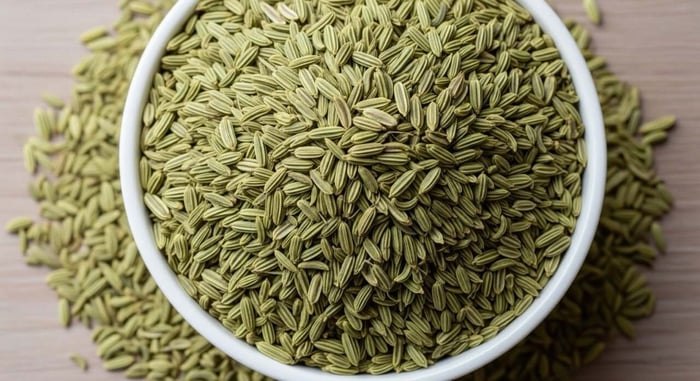

Fennel seed is a spice that feels familiar even before you can name it. Its gentle sweetness, hint of licorice, and warming aroma have threaded through kitchens for centuries, quietly shaping flavors across cultures. Neither aggressive nor shy, fennel seed sits comfortably between herb and spice, offering balance where dishes need lift, clarity, and a subtle sense of comfort.
The Landscapes That Shape Fennel Seed
Fennel (Foeniculum vulgare) thrives in places where sunshine is reliable and the soil drains easily. Native to the Mediterranean basin, fennel has long favored regions with warm days, cool nights, and relatively dry air. Southern Europe—particularly Italy, Spain, and Greece—remains central to fennel seed production, where limestone-rich or sandy loam soils encourage strong root systems and aromatic seed development.
Beyond the Mediterranean, fennel is widely cultivated in India, now one of the world’s largest producers. In Indian growing regions, fennel benefits from mild winters, long sunny days, and carefully managed irrigation. The climate allows the plant to flower and set seed without excessive humidity, which can dull flavor or encourage disease.
The United States also plays a role in fennel cultivation. California is the primary growing region, especially in coastal valleys where cool marine air moderates daytime heat. Parts of Arizona and the Pacific Northwest contribute on a smaller scale. These regions offer well-drained soils, moderate rainfall, and long growing seasons that allow fennel plants to mature fully before harvest.
Climate, Soil, and Water Needs
Fennel prefers full sun and loose, fertile soil that drains quickly. Heavy clay soils tend to stunt growth and reduce seed quality, while sandy or loamy soils promote healthy flowering and seed formation. The plant tolerates drought better than excess moisture, making controlled irrigation preferable to heavy rainfall. Too much water during flowering can dilute essential oils, directly impacting the seed’s sweetness and aroma.
The Human Touch in Fennel Fields
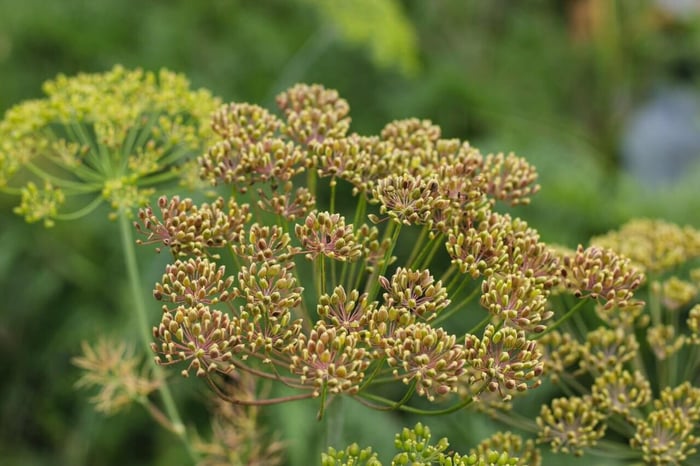
Fennel seed cultivation often involves growers with generational knowledge of timing and care. Harvesting must occur when seed heads turn from green to pale brown, signaling peak oil concentration. Many farmers still rely on visual cues and touch rather than strict calendars, cutting the seed heads by hand or with small-scale equipment to avoid shattering and loss.
This attentiveness ensures the seeds retain their characteristic fragrance and flavor.
From Flower to Fennel Seed
Once harvested, fennel seed heads are dried to reduce moisture and stabilize flavor. Drying is typically done in shaded, well-ventilated environments or low-temperature dryers. This slow dehydration preserves the volatile oils responsible for fennel’s sweet, aromatic character.
After drying, seeds are separated from stems and cleaned. This process not only improves appearance but prevents bitterness from plant debris. Proper drying and cleaning concentrate flavor while extending shelf life, allowing fennel seed to remain vibrant and aromatic long after harvest.
How Fennel Seed Is Used
Fennel seed plays a defining role in Italian sausage, where its sweetness balances savory meat and fat. In this setting, fennel seed adds brightness and aromatic warmth that keeps rich dishes from feeling heavy.
In Indian cuisine, fennel seed appears in spice blends and is often toasted to enhance sweetness and reduce bitterness. It supports spicy dishes by cooling the palate and adding complexity without heat.
Fennel seed also enhances baked goods and breads. Its mild licorice note complements yeast and grain, bringing depth to rustic loaves and crackers. In vegetable dishes, fennel seed pairs beautifully with cabbage, carrots, and root vegetables, emphasizing natural sweetness while adding gentle spice.
Three Classic Ways to Cook with Fennel Seed
A simple Italian-style sausage illustrates fennel seed’s power. Ground pork is seasoned with fennel seed, garlic, salt, and pepper, then cooked slowly. As the meat renders, the fennel seed releases aroma and sweetness, defining the dish without overpowering it.
In a roasted vegetable dish, fennel seed shines when lightly crushed and tossed with carrots, onions, and olive oil. Roasting mellows the spice, allowing its sweetness to merge with caramelized vegetables.
For bread lovers, fennel seed flatbread offers a subtle introduction. Dough is mixed with a small amount of fennel seed, baked until golden, and finished with olive oil. The result is fragrant, lightly sweet bread that pairs well with cheeses and soups.
A Seed with Staying Power
Fennel seed has endured not because it shouts, but because it supports. From Mediterranean hillsides to California fields, from careful harvest to gentle drying, it carries a balance of sweetness and warmth that fits effortlessly into countless cuisines. It is a spice that rewards patience and thoughtful use, offering depth, aroma, and quiet confidence to the dishes it touches.