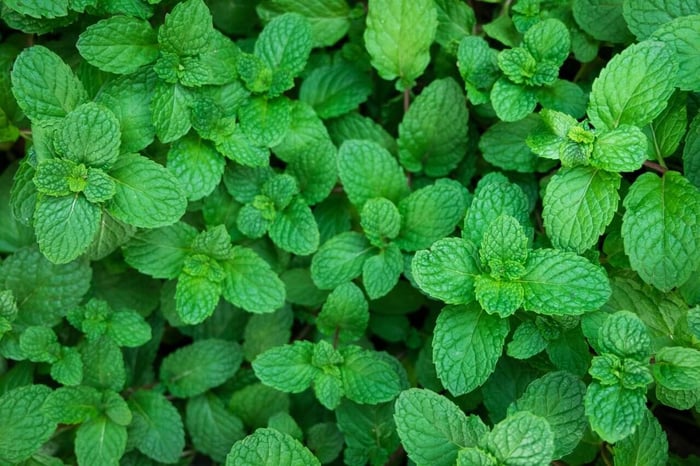
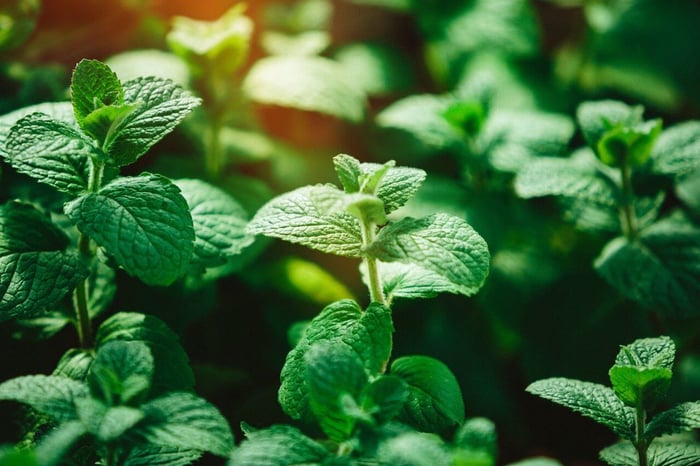

Peppermint has a way of announcing itself before you ever taste it. The aroma is brisk and unmistakable, the flavor cooling and clean, with a natural sweetness that feels both refreshing and grounding. Chopped peppermint takes that lively character and preserves it in a form that’s easy to use year-round, whether for culinary, beverage, or baking applications. Carefully grown, gently dried, and thoughtfully chopped, peppermint becomes a pantry staple that delivers brightness in every pinch while honoring the landscapes and people who cultivate it.
Where Peppermint Thrives Around the World
Peppermint prefers temperate climates with moderate warmth, cool nights, and reliable access to water. It grows best in fertile, well-drained soil that retains moisture without becoming waterlogged, and it responds well to regions with steady rainfall or managed irrigation. Because peppermint spreads easily through underground runners, it thrives where farmers can give it space and careful oversight.
Globally, peppermint is commonly harvested in parts of Europe, particularly in Germany and Eastern Europe, where cool summers and rich soils create ideal growing conditions. India is another major producer, especially in northern regions where long sunny days and controlled irrigation support high oil content in the leaves.
The United States is also a significant peppermint-growing country. States such as Oregon, Washington, Idaho, and Wisconsin are well known for peppermint cultivation. The Pacific Northwest, in particular, offers mild summers, cool evenings, and volcanic or alluvial soils that peppermint loves. In these regions, rainfall patterns and access to irrigation canals allow growers to maintain consistent moisture levels throughout the growing season, which is essential for developing strong aroma and flavor.
The People Behind the Crop
Peppermint farming often involves multi-generational growers who understand the rhythm of the plant. They monitor growth closely, timing harvests for when the leaves hold peak aromatic oils. Peppermint doesn’t demand constant attention, but it rewards careful observation. Too much water can dilute flavor, while too little stresses the plant. Farmers walk their fields, crush leaves between their fingers, and rely on experience as much as data to decide when the crop is ready. This quiet attentiveness is part of what gives high-quality peppermint its consistent, clean taste.
From Field to Chopped Peppermint
Once harvested, peppermint leaves are quickly moved to drying facilities to preserve their natural oils. Drying is typically done using controlled air circulation and gentle heat, allowing moisture to evaporate without scorching the leaves. This slow, careful drying process is critical as it concentrates flavor while preventing bitterness or loss of aroma.
After drying, the leaves are sifted and chopped into uniform pieces. Chopping increases usability while still maintaining visual appeal and aromatic integrity. This processing method not only extends shelf life but also stabilizes flavor, ensuring that chopped peppermint delivers the same cooling sensation months after harvest as it did fresh from the field. Properly dried peppermint requires no additives, relying solely on technique and timing to preserve its natural character.
How Chopped Peppermint Is Used in Food and Drink
Chopped peppermint finds a natural home in herbal teas, where it delivers a crisp, refreshing flavor that feels both soothing and invigorating. The chopped leaves infuse quickly, releasing cooling notes that support digestion and leave a clean finish on the palate.
In baking, peppermint brings balance to rich desserts. Chocolate-based foods, such as brownies or cookies, benefit from peppermint’s brightness, which cuts through sweetness and adds dimension without overwhelming other flavors. Peppermint is also commonly used in confections, lending clarity and freshness to candies, bark, and syrups.
Savory applications may be less expected but equally rewarding. Peppermint can brighten grain salads, yogurt-based sauces, or lamb dishes, adding contrast and lift. In these foods, its cooling quality helps balance fats and spices, creating a more rounded flavor experience.
Recipes That Showcase Chopped Peppermint
Peppermint herbal tea is one of the simplest and most satisfying ways to use chopped peppermint. The leaves are steeped in hot water for several minutes, producing a clear, aromatic infusion that feels refreshing whether enjoyed hot or chilled. The chopped form allows for even extraction and a clean, vibrant cup.
Chocolate peppermint bark is another classic preparation. Melted dark chocolate is spread thin, sprinkled with chopped peppermint, and allowed to set. The peppermint adds both visual appeal and a cooling contrast to the richness of the chocolate, creating a dessert that feels festive yet balanced.
A more unexpected use is in a mint yogurt sauce. Plain yogurt mixed with a touch of lemon juice, olive oil, and chopped peppermint creates a sauce that pairs beautifully with roasted vegetables or grilled meats. The peppermint brings freshness and lightness, making heavier dishes feel more composed and complete.
A Preserved Expression of Freshness
Chopped peppermint is more than a convenience ingredient—it’s a carefully preserved expression of a plant known for clarity and vitality. From fertile fields in the Pacific Northwest and Europe to drying rooms where timing matters as much as temperature, each step is designed to protect peppermint’s signature character. The result is an herb that delivers consistency, brightness, and versatility, ready to enhance beverages, sweets, and savory dishes alike. In chopped form, peppermint becomes easy to use without losing the essence that makes it unmistakable.