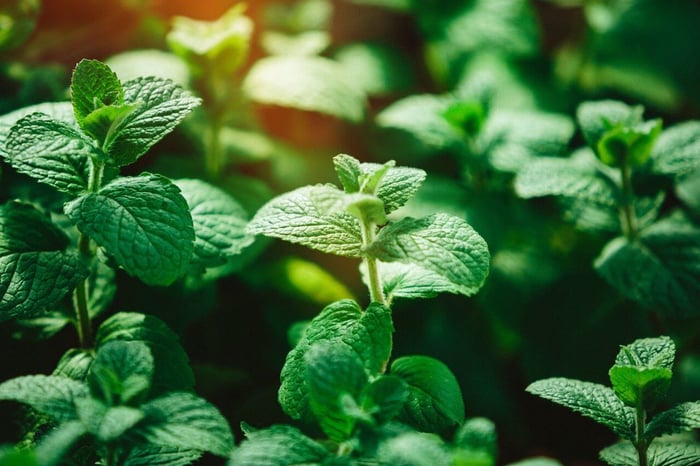
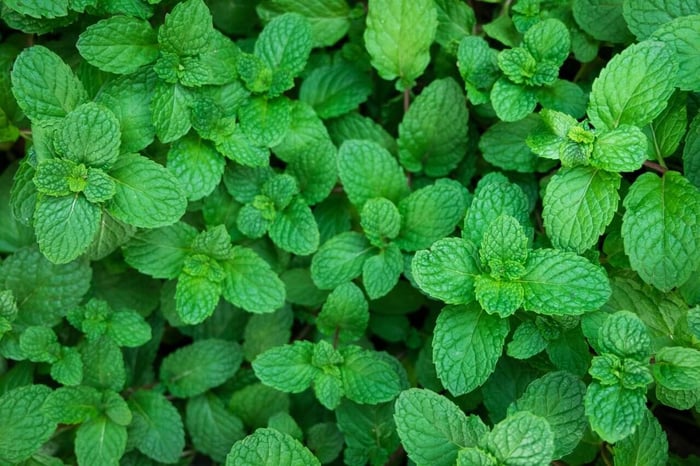

Spearmint doesn’t rush you. Its aroma arrives softly, green and sweet, carrying a calm confidence that feels familiar and welcoming. Where peppermint charges in with icy clarity, spearmint settles into the room, offering freshness without sharpness. Chopped spearmint captures that easygoing character and preserves it in a form that’s practical, versatile, and reliable. From field-grown leaves to carefully dried pieces, spearmint’s journey is one of balance. Between soil and sun, tradition and technique, freshness and longevity.
Where Spearmint Grows Best
Spearmint thrives in temperate climates where warm days are balanced by cooler nights. It prefers rich, loamy soil with good drainage but consistent moisture, making river valleys and irrigated farmland especially well suited for cultivation. Regular rainfall or controlled watering is essential, as spearmint’s shallow root system depends on steady access to water without becoming oversaturated.
Around the world, spearmint is commonly harvested in parts of Europe, particularly in the Mediterranean basin and Eastern Europe, where mild summers and fertile soils support aromatic leaf growth. North Africa, especially Morocco, is also famous for spearmint cultivation, where the plant has become deeply woven into culinary and cultural traditions.
The United States plays a significant role in spearmint production as well. States such as Washington, Oregon, Idaho, and Wisconsin are well known for growing spearmint commercially. The Pacific Northwest, with its long summer days, cool evenings, and volcanic or alluvial soils, provides ideal conditions for developing spearmint’s naturally sweet flavor. Consistent rainfall and advanced irrigation systems allow growers to manage moisture precisely, ensuring healthy plants and uniform leaf quality.
The People Behind the Fields
Spearmint cultivation often reflects patience and attentiveness more than intensity. Growers monitor leaf color, texture, and aroma throughout the season, knowing that the best harvest window is relatively short. Many farms rely on experienced hands with families or small crews who return to the same fields year after year. These growers understand that spearmint doesn’t demand harsh treatment; instead, it rewards steady care, thoughtful harvesting, and respect for timing. The result is an herb that reflects both the land and the people who tend it.
Turning Fresh Leaves into Chopped Spearmint
Once harvested, spearmint leaves are moved quickly to drying facilities to preserve their delicate aromatic compounds. Drying is done at controlled temperatures with steady airflow, allowing moisture to evaporate slowly without damaging the leaves’ essential oils. This step is crucial, as spearmint’s sweetness and mild menthol notes can be lost if exposed to excessive heat.
After drying, the leaves are sifted to remove stems and then chopped into consistent pieces. Chopping improves usability while maintaining visual appeal and aromatic release. This processing not only extends shelf life but also stabilizes flavor, ensuring that chopped spearmint delivers a dependable, gently sweet profile long after harvest. Proper drying and handling allow the herb to retain its natural color, fragrance, and balance.
How Chopped Spearmint Is Used in Food
Chopped spearmint is a natural fit for beverages, particularly herbal teas. Its smooth, sweet flavor infuses easily, creating a refreshing drink that feels light and calming rather than intense. Unlike stronger mints, spearmint offers freshness without overwhelming the palate, making it suitable for frequent enjoyment.
In savory cooking, spearmint shines in Mediterranean and Middle Eastern dishes. It adds brightness to grain salads, yogurt sauces, and vegetable-based meals, helping to lift heavier ingredients and add contrast. The herb’s gentle sweetness enhances rather than competes, making dishes feel more complete and balanced.
Spearmint also plays well in desserts. From fruit salads to baked goods, it adds a clean, green note that keeps sweetness in check. In these applications, chopped spearmint provides even distribution and consistent flavor, making it easier to control intensity.
Recipes That Highlight Chopped Spearmint
Spearmint tea remains one of the simplest and most traditional uses. Chopped spearmint is steeped in hot water for several minutes, producing a clear, aromatic infusion that’s refreshing whether served hot or chilled. The chopped leaves allow for even extraction and a smooth, rounded flavor.
A classic yogurt and spearmint sauce offers another versatile application. Plain yogurt combined with lemon juice, olive oil, and chopped spearmint creates a cooling sauce that pairs beautifully with roasted vegetables, grilled meats, or flatbreads. The spearmint adds freshness that lightens rich or savory dishes.
For something sweet, spearmint fruit salad is an elegant option. Fresh melon, berries, or citrus tossed with a small amount of chopped spearmint brings out the natural sweetness of the fruit while adding a subtle herbal note that feels clean and refreshing.
A Quiet Essential in the Kitchen
Chopped spearmint is an herb defined by restraint and reliability. It doesn’t dominate dishes or demand attention, yet its absence is noticeable once you’ve grown accustomed to its gentle lift. From fertile fields in the Pacific Northwest, Europe, and North Africa to careful drying rooms where temperature and airflow matter, every step in its journey is about preserving balance. In chopped form, spearmint becomes easy to use and endlessly adaptable, offering sweetness, freshness, and calm clarity to kitchens year-round.