
Kosher salt rarely announces itself, yet it guides nearly every confident cook. Its presence is felt more than tasted, shaping flavor with restraint and intention. From professional kitchens to home stoves, kosher salt has earned trust through consistency, texture, and control. It is not flashy, but it is foundational, and its story begins far beyond the countertop.
Where Kosher Salt Comes From
Kosher salt is not tied to a single geography, yet its sources are deeply rooted in the natural history of the earth. Much of the world’s salt began as ancient seas that evaporated millions of years ago, leaving behind vast mineral deposits. These deposits are now found across North America, Europe, and parts of Asia.
In the United States, kosher salt is commonly sourced from regions with rich underground salt formations or areas suitable for evaporation. The Great Lakes region, particularly Michigan and Ohio, sits atop ancient seabeds that provide extensive rock salt deposits. Utah offers another important source, where salt is harvested through solar evaporation near the Bonneville Salt Flats. Louisiana and Texas also contribute through salt domes formed by geological pressure pushing salt upward through layers of earth.
Globally, countries such as Israel, Germany, and the Netherlands produce salt through similar methods. In coastal regions with dry climates, salt is harvested from seawater using shallow evaporation ponds. In inland areas, salt is mined from underground deposits where soil composition and mineral stability protect purity.
Climate Soil and Natural Conditions
Salt does not grow like a plant, but its formation and harvesting depend heavily on climate and terrain. Solar evaporated salt thrives in regions with low rainfall, high sun exposure, and steady winds. These conditions allow seawater or brine to evaporate slowly, leaving behind clean salt crystals.
Mined salt relies on geological stability rather than weather. Deep underground deposits remain protected from surface moisture, preserving salt purity for centuries. Soil composition matters here as well, since surrounding rock must remain stable enough to allow safe extraction without contamination.
The People Behind the Process
Salt harvesting is often quiet work carried out by skilled crews who understand both nature and machinery. In evaporation fields, workers monitor water levels and crystal formation, adjusting flow and timing with patience. In mines, teams extract salt carefully, balancing efficiency with safety.
Many of these operations are multigenerational. Knowledge is passed down through experience rather than instruction manuals. There is a shared respect for a resource that seems simple but requires precision to produce consistently.
How Kosher Salt Is Processed
Kosher salt is defined more by its structure than its origin. After harvesting, salt is washed to remove impurities, then dried thoroughly. The drying stage is essential, as moisture can affect both texture and shelf life.
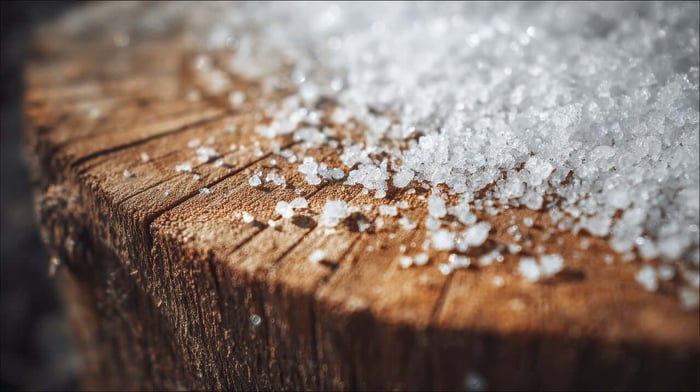
Once dried, salt is crushed or rolled to achieve its signature coarse, flat crystal shape. This shape is not accidental. It was originally favored for its ability to draw moisture from meat during koshering, a traditional preparation process. Today, that same structure gives cooks greater control when seasoning by hand.
Unlike fine salt, kosher salt dissolves more slowly. This allows flavors to develop gradually and evenly. Its clean mineral taste enhances food rather than masking it, while its dryness ensures long term preservation when stored properly.
Flavor and Preservation
Kosher salt does not add flavor in the way spices do. Instead, it amplifies what is already present. Its larger crystals distribute evenly, reducing the risk of over seasoning. Because it contains no additives and minimal moisture, it remains stable over time and resists clumping.
The absence of iodine or anti caking agents also contributes to its neutral taste. This purity is one reason chefs rely on kosher salt as their primary seasoning tool.
How Kosher Salt Is Used in Everyday Cooking
Kosher salt plays a central role in roasting meats. Its texture adheres well to surfaces, helping draw moisture outward while seasoning evenly. The result is better browning and deeper flavor without harsh salinity.
In soups and stews, kosher salt dissolves gradually, allowing cooks to adjust seasoning as flavors develop. This makes it ideal for long simmering dishes where balance matters.
Baked goods benefit from kosher salt as well. When used thoughtfully, it sharpens sweetness and enhances texture without overwhelming delicate flavors.
Even simple vegetable preparations rely on kosher salt. Tossed with vegetables before roasting or sprinkled just before serving, it brings clarity and depth that elevates natural taste.
Recipes That Rely on Kosher Salt
A classic roast chicken depends on kosher salt from start to finish. The bird is seasoned generously, allowing salt to penetrate the meat and retain moisture during cooking. As it roasts, the salt helps crisp the skin while keeping the interior tender and flavorful.
In a basic vegetable soup, kosher salt is added in stages. Early seasoning builds a foundation, while final adjustments bring harmony just before serving. The result is a broth that tastes complete rather than flat.
Fresh bread dough also benefits from kosher salt. Mixed into the dough, it strengthens gluten structure and balances yeast activity, leading to better texture and more developed flavor after baking.
Why Kosher Salt Endures
Kosher salt has endured not because of trend or novelty, but because it works. Its consistency, purity, and versatility make it indispensable. From ancient seabeds to modern kitchens, kosher salt remains a steady presence, shaping food quietly and confidently.