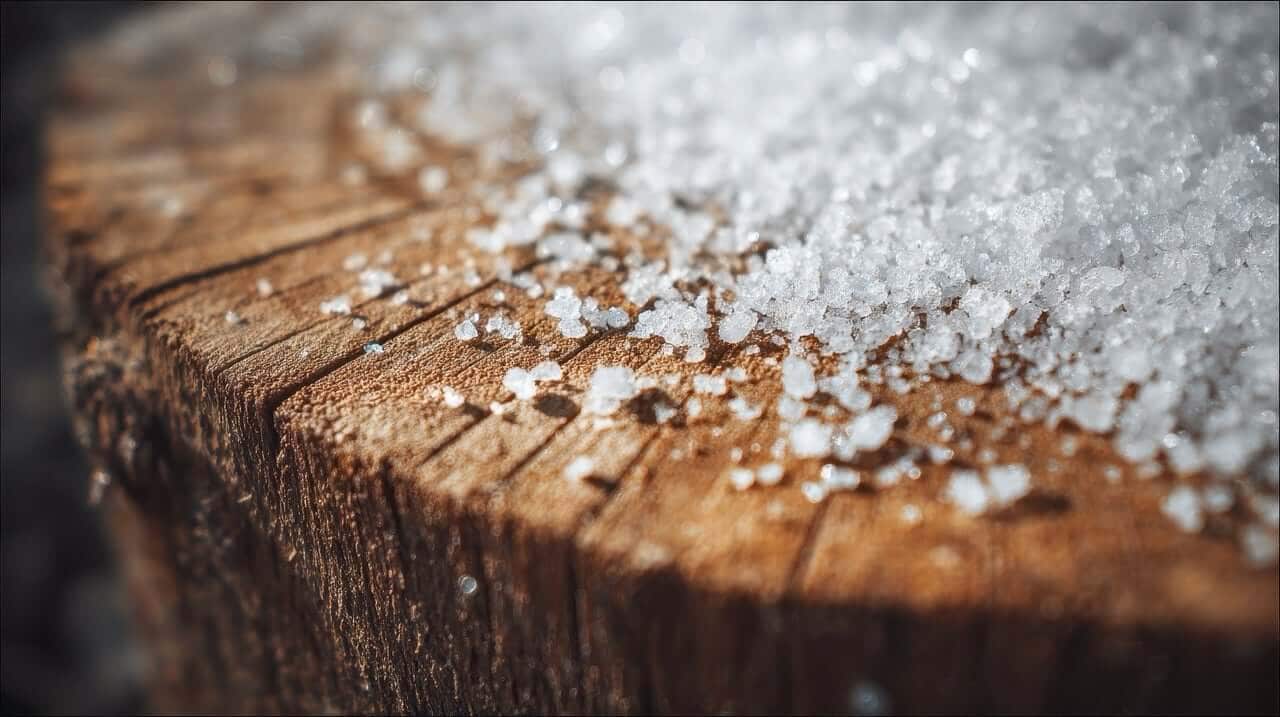
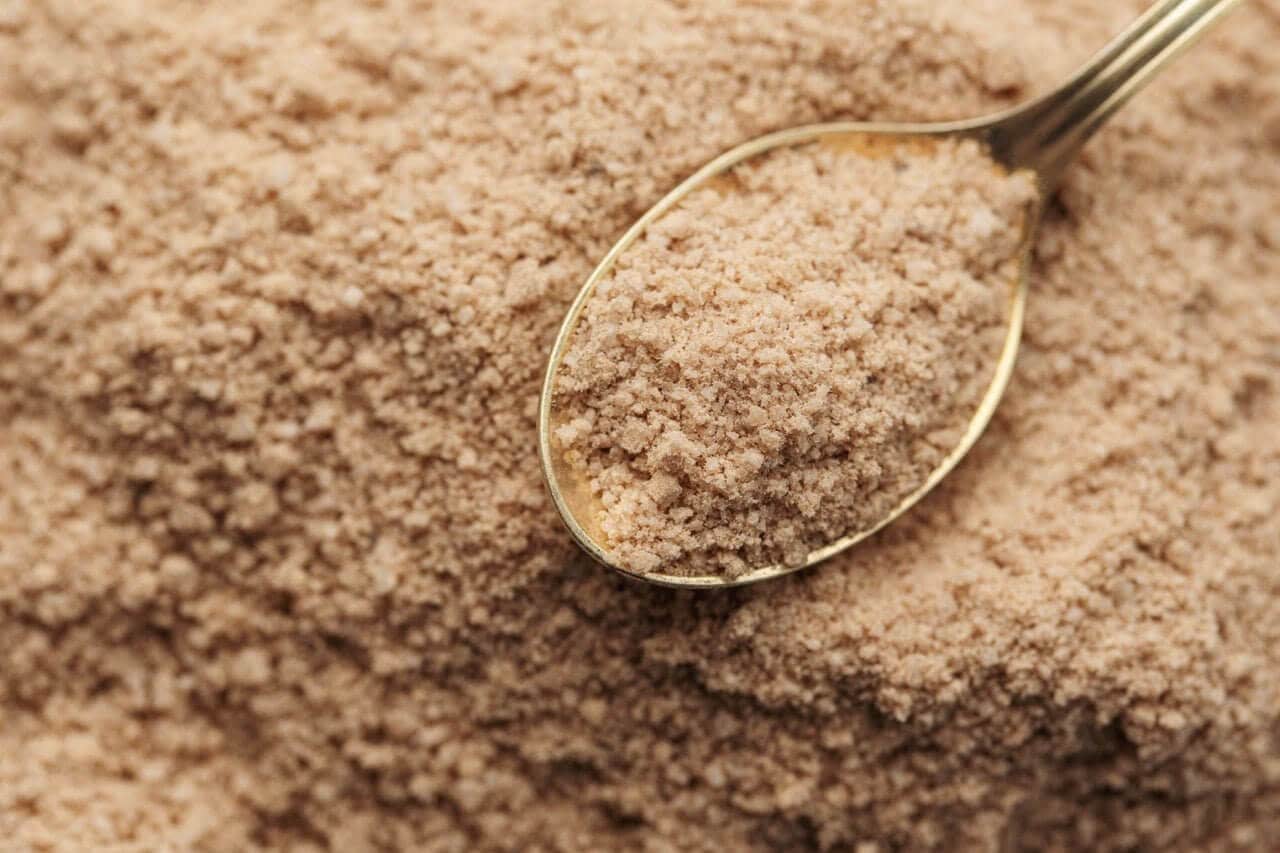

Hickory smoked salt is a study in restraint. It does not shout for attention or demand center stage. Instead, it settles in quietly, carrying the memory of wood smoke and time into the food it seasons. Unlike sea salt, this salt begins inland, drawn from ancient deposits shaped long before oceans moved or coastlines formed. Through careful smoking with hickory wood, it becomes something more than salt alone. It becomes a bridge between fire and mineral, between tradition and modern kitchens.
Where Hickory Smoked Salt Truly Begins
Hickory smoked salt starts with mined salt rather than evaporated seawater. These salt deposits were formed millions of years ago when prehistoric seas receded, leaving thick mineral beds behind. Over time, geological pressure compressed these minerals into solid salt seams that now lie far from any coastline.
Around the world, mined salt comes from regions with stable geology and dry conditions. Central Europe, parts of Asia, and South America all contribute to global salt production. In the United States, salt mining has deep roots. States such as Kansas, Utah, Louisiana, and Michigan are well known for extensive underground salt formations. These regions benefit from relatively low moisture underground, which helps preserve the purity and structure of the salt crystals.
The salt used for smoking is typically coarse and dry, allowing it to withstand long exposure to smoke without dissolving or clumping. Its mineral composition provides a clean base that absorbs flavor without losing its identity.
The second half of the story comes from hickory trees. Hickory grows primarily in North America, thriving in the eastern and central United States. Forests in Missouri, Tennessee, Kentucky, Indiana, Ohio, and the Carolinas are especially rich in hickory varieties. These trees prefer temperate climates with warm summers, cool winters, and steady rainfall spread throughout the year.
Climate Soil and the Foundations of Flavor
Mined salt owes its quality to stability rather than weather. Underground salt deposits are protected from rain and surface contaminants, resulting in consistent mineral profiles. The surrounding rock acts as a natural filter, keeping the salt clean and dense.
Hickory trees, by contrast, depend heavily on their environment. They thrive in deep, well drained soils rich in organic matter. Too much standing water weakens roots, while prolonged drought stresses growth. Ideal rainfall is moderate and consistent, allowing the tree to grow slowly and evenly.
Slow growth is essential. Hickory that matures over decades develops dense wood fibers that burn cleanly and evenly. This density produces smoke that is rich but not harsh, with a subtle sweetness that distinguishes hickory from other hardwoods.
The People Behind the Process
Hickory smoked salt is shaped by people who understand patience. Salt miners extract material carefully to preserve crystal structure. While modern equipment is often involved, the goal remains the same as it has been for generations: remove salt without contaminating it or breaking it down too finely.
The smoking process is often handled by individuals who come from traditions of smoking meat, curing food, or working with fire. These are people who read smoke by color and scent rather than by timers. They understand that hickory smoke must be cool and steady, never rushed.
This work tends to be quiet and deliberate. The salt is tended over hours or days, stirred gently, and watched closely. It is not a process that rewards shortcuts.
How Hickory Smoked Salt Is Made
Once mined, the salt is sorted and dried to remove any remaining moisture. Dryness is critical. Salt that contains moisture will not absorb smoke evenly and may form clumps.
The salt is then spread in shallow layers, often on trays or screens, to maximize surface exposure. Hickory wood is burned slowly nearby, producing smoke without intense heat. The goal is smoke, not flame.
As smoke drifts over the salt, aromatic compounds settle onto each crystal. Over time, these compounds bond with the salt, creating a flavor that penetrates rather than coats. The salt is stirred periodically to ensure even exposure.
After smoking, the salt rests. This resting period allows flavors to mellow and stabilize. Any remaining moisture dissipates, leaving a dry, shelf stable seasoning with long keeping qualities.
Flavor Development and Natural Preservation
Smoking does more than add aroma. It enhances preservation by reducing moisture and introducing compounds that naturally inhibit spoilage. While salt itself is already a preservative, smoking reinforces its stability.
Flavor wise, hickory smoked salt offers depth rather than sharpness. The smoke adds warmth, mild sweetness, and a faint earthiness that complements savory foods. Because the smoke is absorbed into the salt crystal, it delivers consistent flavor in small amounts.
Where Hickory Smoked Salt Excels
Hickory smoked salt shines with grilled and roasted meats. Beef, pork, and chicken all benefit from its ability to echo the flavors created by browning and caramelization. Even meats cooked indoors gain an outdoor character when finished with a light sprinkle.
Vegetables respond especially well. Roasted potatoes, carrots, and mushrooms gain richness without additional fat. The salt enhances natural sugars while adding savory balance.
Egg based dishes are another natural fit. Scrambled eggs, omelets, and soft boiled eggs take on a deeper flavor that contrasts beautifully with their mildness.
Even simple foods such as buttered toast or popcorn can feel intentional and satisfying when finished with hickory smoked salt.
Rooted in Tradition Yet Flexible
Hickory smoke is woven into American food culture. From smokehouses to backyard grills, it represents slow cooking and careful attention. Hickory smoked salt allows cooks to draw on that tradition without needing open flames.
At the same time, it fits seamlessly into modern cooking. Chefs and home cooks alike use it sparingly as a finishing salt, respecting its strength and letting it enhance rather than dominate.
Classic Recipes That Highlight Hickory Smoked Salt
A grilled steak finished with hickory smoked salt relies on timing. After resting, the salt is added just before serving, melting slightly into the surface and amplifying the meat’s natural juices.
Roasted potatoes become something special when tossed with oil and baked until crisp, then seasoned with hickory smoked salt while still hot. The salt clings to the surface, delivering smoke in every bite.
Compound butter made with softened butter and hickory smoked salt transforms bread, vegetables, or seafood. The smoke disperses evenly, turning a simple ingredient into a finishing accent.
A Seasoning With Depth and Memory
Hickory smoked salt is not flashy. It is thoughtful. It carries the weight of stone, wood, and time. Each grain holds both mineral history and the memory of fire. Used with care, it brings depth, balance, and quiet confidence to the table.