
Table of Contents
Cloves and the Quiet Power of a Small Bud
Cloves arrive small and unassuming, yet their presence changes everything around them. One clove can perfume an entire pot, a single pinch can anchor a dessert or steady a savory dish. This spice has traveled farther than most ingredients on the shelf, valued not for volume but for intensity. Cloves have shaped trade, preserved food, and defined flavors across centuries, all while remaining a humble dried flower bud with remarkable depth.
Where Cloves Are Grown and Harvested
Cloves originate from the Maluku Islands of Indonesia, once known as the Spice Islands. This region remains central to clove production, with Indonesia still the largest producer in the world. From there, cultivation spread across tropical regions including Madagascar, Tanzania, Sri Lanka, and parts of India.
Clove trees thrive in consistently warm climates with high humidity. They require temperatures that remain steady throughout the year and do not tolerate frost. Rainfall is essential, particularly during early growth, with well timed wet and dry seasons supporting flowering and bud development.
Soil plays an important role in clove quality. Deep loamy soils rich in organic matter provide the nutrients needed for long lived trees. Good drainage is critical, as standing water can damage roots and reduce yield. Coastal regions and volcanic soils often produce cloves with pronounced aroma and oil content.
The United States is not a commercial producer of cloves due to climate limitations. Small ornamental or experimental plantings exist in Hawaii and southern Florida, where tropical conditions allow trees to survive, but these remain limited and are not part of the global supply.
The People Who Grow Cloves
Clove trees take patience. They often require several years before producing harvestable buds, and mature trees can continue yielding for decades. In many growing regions, clove farming is family based, with knowledge passed quietly from one generation to the next.
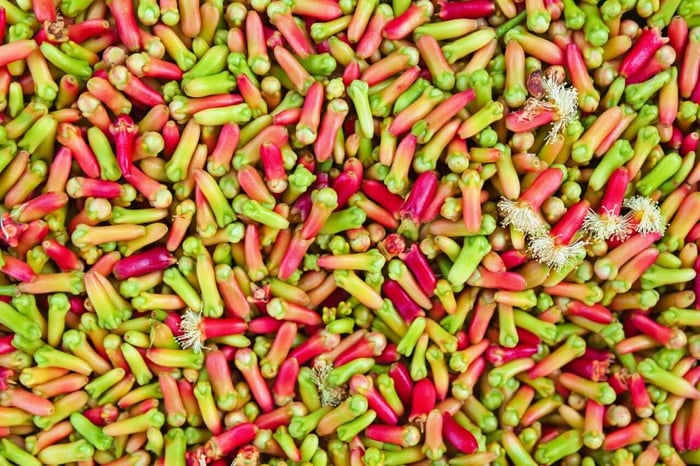
Harvesting is done by hand. Buds are picked just before flowering, when they are firm and pink, not yet opened. Timing matters. Too early and flavor is underdeveloped. Too late and essential oils diminish. Farmers often work from dawn to avoid heat and protect the delicate buds.
In places like Zanzibar and parts of Indonesia, clove harvest season is a defining time of year. The air carries the unmistakable scent of spice, and entire communities participate in gathering, sorting, and drying the crop. The human touch remains essential, as machines cannot yet match the discernment required at harvest.
Drying and Processing Cloves
Once harvested, cloves must be dried to preserve them and develop their signature flavor. Traditionally, buds are spread in thin layers under the sun, turned regularly to ensure even drying. Modern facilities may use controlled airflow and temperature, but the goal remains the same.
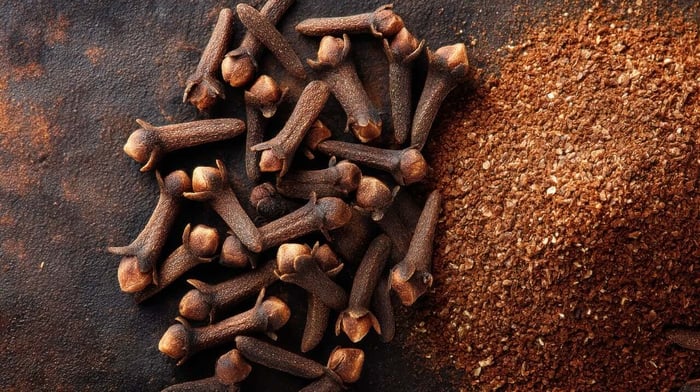
As moisture leaves the bud, its color darkens from pink to deep brown. The drying process concentrates essential oils, especially eugenol, which gives cloves their warm, sweet, and slightly numbing character. Proper drying prevents spoilage while locking in aroma and longevity.
Careful drying is what allows cloves to store well without losing strength. A properly dried clove snaps cleanly and releases fragrance immediately when crushed. This transformation from fresh bud to spice is where preservation meets flavor development.
Flavor Profile and Culinary Character
Cloves are bold. They offer warmth, sweetness, and a lingering intensity that sits somewhere between spice and perfume. Their strength means restraint is often rewarded, as even small amounts can shape an entire dish.
Unlike many spices, cloves bridge sweet and savory with ease. They deepen flavors rather than simply adding heat. Their aromatic nature makes them especially valuable in slow cooked dishes, baked goods, and preserved foods.
Common Uses in Everyday Foods
In baked goods, cloves add warmth and structure. They support flavors like cinnamon and nutmeg, giving depth to cakes, cookies, and holiday desserts. Their aromatic oils carry through long baking times without fading.
In braised meats and stews, cloves provide grounding richness. A few whole cloves in a pot of beef or lamb lend subtle sweetness and complexity, balancing savory notes and enhancing the final aroma.
In rice dishes, cloves add quiet elegance. Used whole in pilafs or biryanis, they perfume the grains while remaining unobtrusive, contributing flavor without overpowering the dish.
In beverages, cloves bring warmth. They are often used in mulled drinks, teas, and spiced syrups, where their fragrance complements citrus and sweeteners while providing comforting depth.
Recipes That Highlight Cloves
A classic spiced rice begins by warming oil, then gently blooming whole cloves with other aromatics before adding rice and liquid. As the dish cooks, the cloves release their essence, infusing each grain with subtle warmth that feels complete rather than spicy.
Traditional mulled cider relies on cloves for backbone. Whole cloves simmer with apple cider, citrus peel, and sweet spices, creating a drink that feels both festive and grounding. The cloves prevent sweetness from becoming flat, giving the beverage structure.
A slow cooked beef stew often benefits from a restrained use of cloves. Added early with onions and stock, they dissolve into the background, leaving behind richness and depth that elevates the dish without calling attention to the spice itself.
Why Cloves Endure
Cloves endure because they offer more than flavor. They offer atmosphere. From tropical trees tended patiently over decades to kitchens seeking warmth and balance, cloves connect care with character. They remind cooks that strength can come in small forms, and that the most memorable flavors often work quietly, shaping a dish from within.
A few health benefits associated with cloves:
- High in Antioxidants (especially Eugenol)
- Promotes Oral Health (natural pain relief and antibacterial)
- Aids Digestion and reduces stomach ulcers
Ground Cloves

$10.50
Add a warm, aromatic richness to your cooking with our Ground Cloves, the perfect spice for elevating both sweet and savory dishes. With its deep, slightly sweet and peppery flavor, cloves bring a bold, aromatic punch to everything from holiday… read more
FAQs
What do cloves smell like?
Clove smells warm, intensely spicy, and slightly sweet. Often described as a cozy aroma reminiscent of the holidays.
Can you eat whole cloves?
Yes, you can eat Cloves whole but you should do so in small amounts because Cloves have intense flavor and high concentrations of eugenol.
What are a few good dishes where cloves should be added?
Cloves are amazing in crockpot meals like stews and pot roasts. For sweets, use ground Cloves in gingerbread and pumpkin pie.